
 Travel Guide
Explore Islamic Cairo: Complete Travel Guide
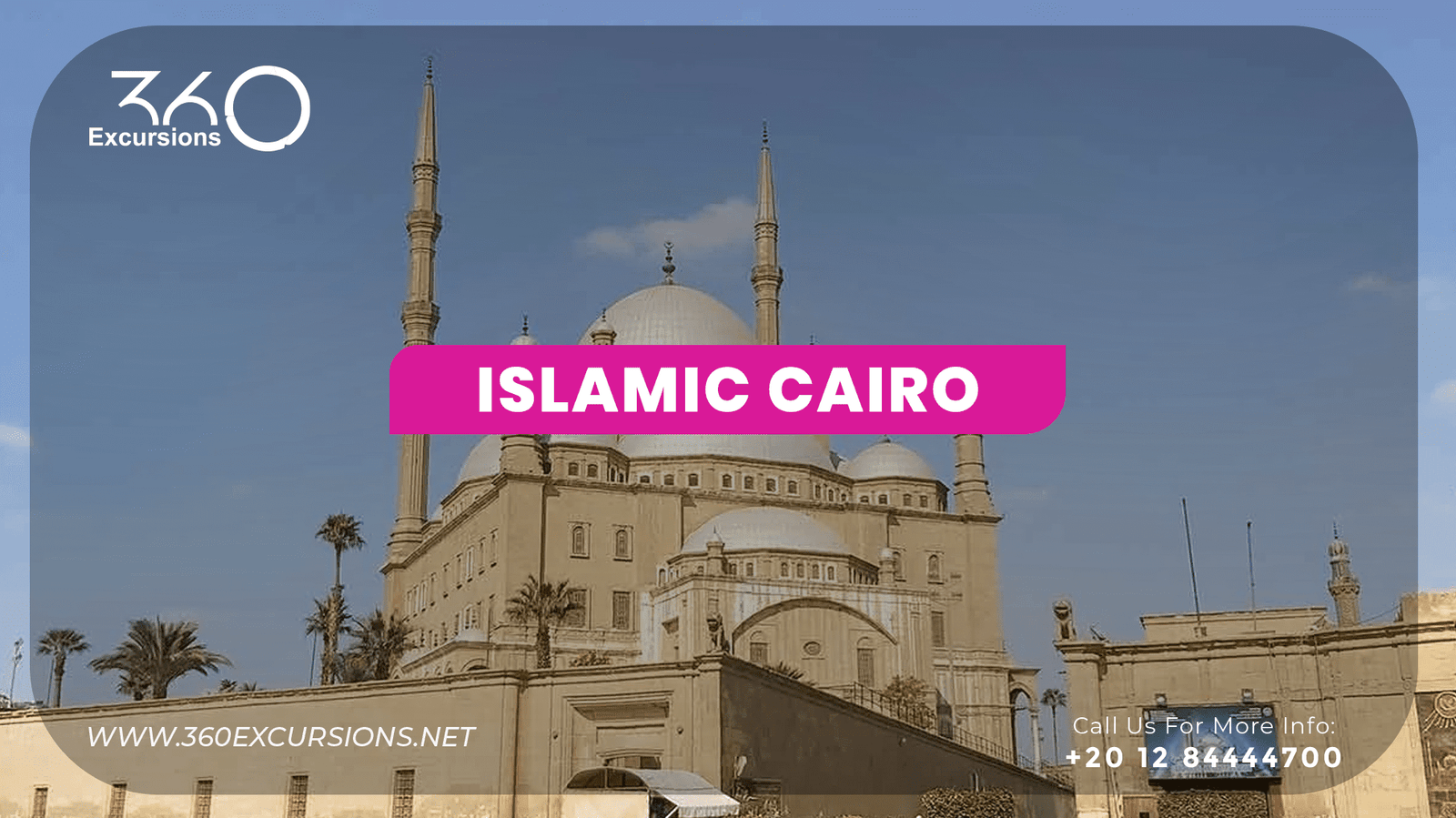
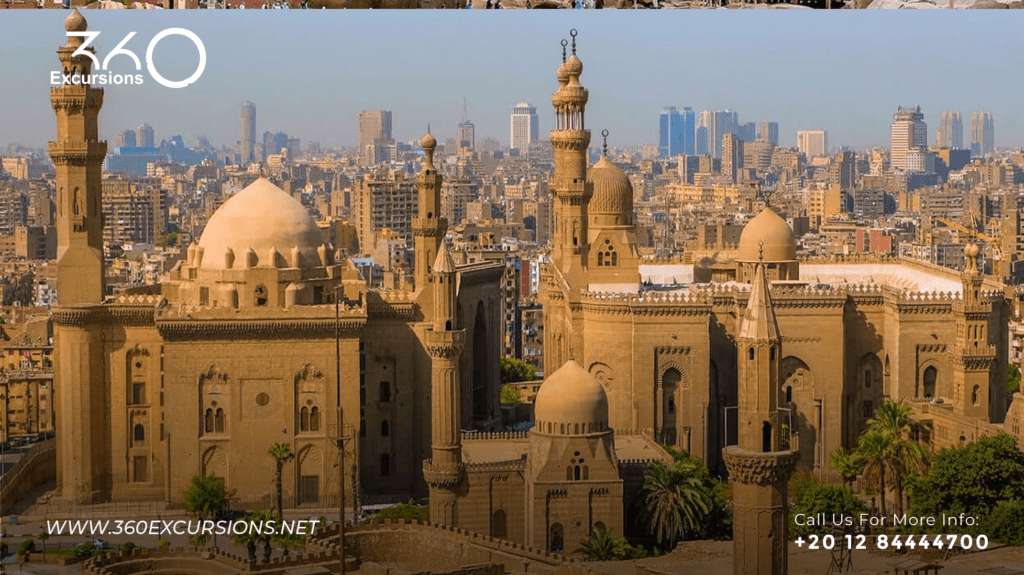
Islamic Cairo Is One Of The Richest, Most Atmospheric, And Historically Dense Urban Districts In The World — A Living Open-Air Museum That Preserves Over A Thousand Years Of Islamic Architecture, Culture, And Daily Life In The Heart Of Cairo Egypt. Located Near Landmarks Such As Cairo Tower, Islamic Cairo Contains Hundreds Of Mosques, Madrasas, Palaces, Gates, And Markets That Reflect The City’s Role As A Major Center Of Islamic Civilization From The Fatimid Period Through The Ottoman Era. Walking Through The District Is Not Simply Sightseeing — It Is A Journey Through Time, Faith, Art, And Living Traditions.
This Complete Travel Guide Covers Its Overview, Top Highlights, Best Visiting Times, Walking Routes, Safety And Dress Tips, And FAQs — Helping You Explore One Of Egypt’s Most Important Cultural Districts With Confidence And Depth.
Overview Of Islamic Cairo
Islamic Cairo Is A Vast Historic District Recognized For Its Exceptional Concentration Of Islamic Monuments And Its Continuous Cultural Life. Unlike Archaeological Sites That Exist Separately From Modern Cities, The District Remains Fully Alive — With Local Residents, Markets, Worshippers, And Craftsmen Sharing The Same Streets As Medieval Architecture And Sacred Landmarks. Many Visitors Combine Their Exploration With Nearby Religious Areas Such As the Hanging Church And Ben Ezra Synagogue For A Broader Cultural Perspective.
UNESCO Heritage District
Islamic Cairo Was Declared A UNESCO World Heritage Site Because Of Its Outstanding Universal Value. The District Contains One Of The World’s Greatest Collections Of Historic Islamic Architecture, Spanning Multiple Dynasties And Architectural Styles. UNESCO Recognition Highlights:
- Over 600 Registered Historic Monuments
- Architectural Continuity From The 7th To The 19th Century
- Exceptional Preservation Of Urban Islamic Fabric
- Cultural Traditions Still Practiced Today
Islamic Cairo Is Not Only Preserved — It Is Still Actively Used, Giving Visitors A Rare Chance To See History Functioning In Real Time.
Architectural & Cultural Importance
The Architectural Importance Of The District Lies In Its Diversity. Visitors Can See:
- Fatimid Mosques With Elegant Arches
- Mamluk Structures Rich In Stone Carvings
- Ottoman Minarets And Domes
- Ancient City Walls And Gates
- Religious Schools, Mausoleums, And Public Fountains
Culturally, Islamic Cairo Represents The Spiritual, Educational, And Social Heart Of Historic Egypt. It Was A Center Of Religious Learning, Trade, Craftsmanship, And Governance For Centuries, And Many Of These Traditions Continue Today.
Top Highlights
Islamic Cairo Is Filled With Iconic Landmarks That Can Easily Take Several Days To Explore. Below Are The Most Important Highlights That Define The District.
Al Muizz Street
Al Muizz Street Is The Spine Of Islamic Cairo And One Of The Oldest Streets In Cairo. Stretching Through The Heart Of The District, This Pedestrian-Friendly Avenue Is Lined With Stunning Monuments From The Fatimid And Mamluk Periods. Along Al Muizz Street, Visitors Can See:
- Ornate Mosques And Madrasas
- Sabils (Public Water Fountains)
- Historic Palaces And Mausoleums
- Stone Facades With Intricate Islamic Geometry
Walking Along El Moez Street Cairo Offers One Of The Most Concentrated Architectural Experiences Anywhere In The Islamic World.
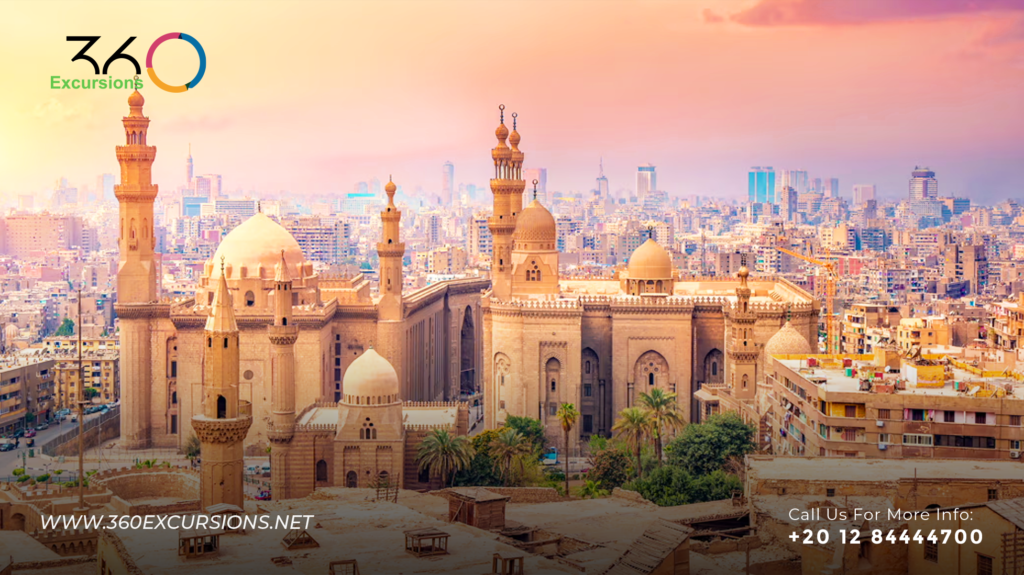
Sultan Hassan Mosque
The Sultan Hassan Mosque Is One Of The Most Monumental And Powerful Mosques Ever Built In Egypt. Constructed During The Mamluk Period In The 14th Century, The Mosque Is Known For Its Massive Scale, Soaring Walls, And Perfect Proportions.
Al Rifai Mosque
Located Directly Across From Sultan Hassan Mosque, Al Rifai Mosque Blends Traditional Islamic Design With Modern Construction Techniques And Serves As A Royal Mausoleum.
Bab Zuweila
Bab Zuweila Is One Of The Last Remaining Medieval Gates Of Cairo’s Original Walls. Visitors Interested In Historic Gates And Fortifications Often Also Explore the Citadel Of Salah Al Din For Panoramic City Views.
Khan El Khalili
Khan Al-Khalili Cairo Is The Most Famous Bazaar In Islamic Cairo — A Bustling Market That Has Operated For Over 600 Years.
Best Time To Visit
The Best Time To Visit Islamic Cairo Is During The Cooler Months Between October And April. Many Travelers Combine Their Visit With Major Cairo Highlights Such As the Grand Egyptian Museum And the Great Pyramids of Giza For A Complete Cairo Experience.
How To Explore (Walking Routes)
Islamic Cairo Is Best Explored On Foot.
Guided Vs Independent Exploration
- Guided Tours: Ideal For Historical Context And Deeper Understanding
- Independent Walking: Perfect For Photography And Personal Discovery
Visitors Traveling From Sharm El Sheikh Often Reach Cairo Through A Cairo Day Trip by Plane, While Budget Travelers May Prefer A Cairo Day Trip by Bus. For A Broader Northern Egypt Experience, The Cairo and Alexandria Tour Combines Historic Cairo With Coastal Highlights.
Safety & Dress Tips
Islamic Cairo Is Generally Safe And Welcoming.
Safety Tips
- Stay On Main Streets And Well-Lit Areas
- Keep Valuables Secure In Crowded Markets
- Be Polite When Declining Shop Invitations
- Use Licensed Guides If Unsure
Dress Guidelines
Because Islamic Cairo Is A Religious District, Modest Dress Is Recommended.
Conclusion
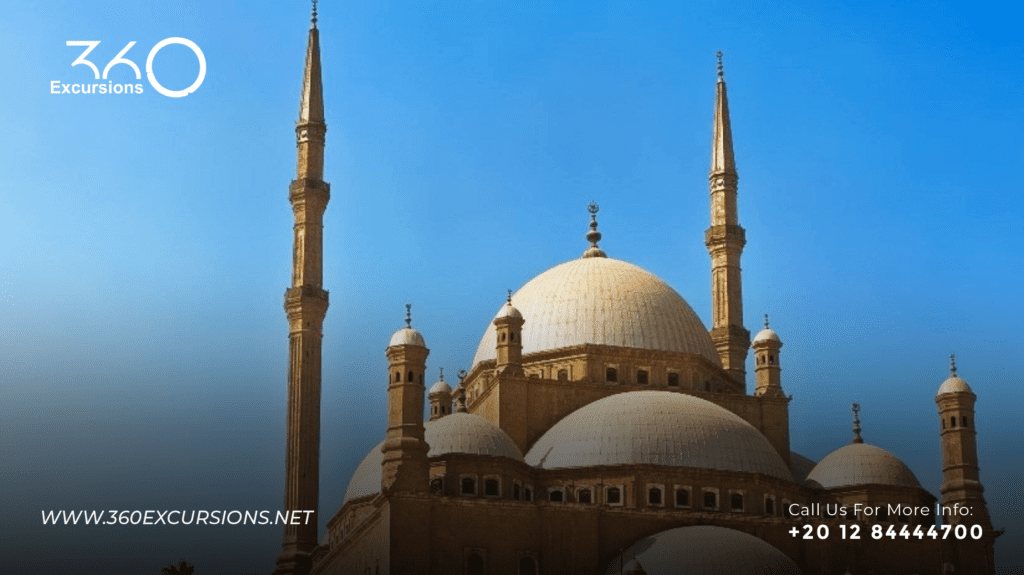
Islamic Cairo Is A Living Testament To Egypt’s Spiritual, Architectural, And Cultural Legacy. With Its UNESCO-Protected Monuments, Iconic Mosques, Historic Streets, And Vibrant Markets, The District Offers One Of The Most Authentic And Enriching Travel Experiences In The Middle East.
FAQs
Is Islamic Cairo Worth Visiting?
It Is One Of The Most Important Historic Districts In The Islamic World.
How Much Time Should I Spend In Islamic Cairo?
At Least Half A Day; A Full Day Is Ideal.
Is Islamic Cairo Safe For Tourists?
Yes, Especially During Daytime And With Basic Awareness.
Can I Visit Mosques As A Non-Muslim?
Most Major Mosques Welcome Respectful Visitors.
Is Photography Allowed?
Photography Is Allowed, Though Some Mosques May Restrict Flash Or Interior Photography.
Can I Combine Islamic Cairo With Other Areas?
It Is Easy To Combine With Downtown Cairo Or Coptic Cairo.


Comments are closed