

 Travel Guide
Complete Guide to the Temple of Umm Ubayd in Siwa
The Temple Of Umm Ubayd Is One Of Siwa Oasis Egypt’s Most Enigmatic And Historically Significant Ancient Sites, Offering A Quiet Yet Powerful Glimpse Into Egypt’s Sacred Past. Located Near The Famous Oracle Complex, The Temple Of Umm Ubayd Was Closely Linked To The Worship Of The God Amun And Played A Spiritual Role During Egypt’s Late Pharaonic And Greco-Roman Periods. Although Only Ruins Remain Today, The Temple Of Umm Ubayd Continues To Attract Visitors Seeking To Understand Siwa’s Deep Religious Importance And Its Connection To Ancient Prophecy And Divine Consultation.
This Complete Guide To The Temple Of Umm Ubayd Explores Its Overview, Historical Background, What Remains Today, Nearby Attractions, How To Reach The Site, And Frequently Asked Questions — Providing Everything You Need To Know Before Visiting One Of Siwa’s Lesser-Known Yet Meaningful Landmarks.
Overview
The Temple of Umm Ubayd Is An Ancient Temple Ruin Located In Siwa Oasis, Not Far From The Sacred Hill Of Aghurmi. The Temple Is Sometimes Referred To As The Temple Of Amun In Umm Ubayd Due To Its Religious Association.
Ancient Temple Linked To Amun Oracle
The Temple Of Umm Ubayd Was Closely Connected To The Cult Of Amun, One Of Ancient Egypt’s Most Powerful And Widely Worshipped Deities. Siwa Oasis Was Famous In Antiquity As The Location Of A Major Oracle Of Amun, Which Attracted Pilgrims, Rulers, And Military Leaders Seeking Divine Guidance.
The Temple Of Umm Ubayd’s Religious Significance Includes:
- Association With The Oracle Of Amun
- Role In Sacred Rituals And Offerings
- Proximity To Major Oracle Structures
- Participation In Siwa’s Spiritual Landscape
This Connection Places The Temple Of Umm Ubayd Within One Of The Most Mystical Religious Centers Of The Ancient World.
History
The History Of The Temple Of Umm Ubayd Reflects Cultural Exchange And Architectural Influence During A Transformational Period In Egyptian History.
Greco-Roman Influence
The Temple Of Umm Ubayd Was Constructed Or Significantly Modified During The Greco-Roman Period, When Egypt Was Under The Rule Of The Ptolemies And Later The Romans. During This Time, Traditional Egyptian Religious Practices Continued While Incorporating Greek And Roman Artistic Elements.
Greco-Roman Characteristics Of The Temple Of Umm Ubayd Include:
- Use Of Limestone Blocks Typical Of The Period
- Carved Reliefs With Mixed Artistic Styles
- Continued Worship Of Egyptian Deities
- Integration Into Broader Mediterranean Culture
This Blend Of Influences Makes The Temple Of Umm Ubayd A Valuable Example Of Religious Continuity Amid Political Change.
What Remains Today
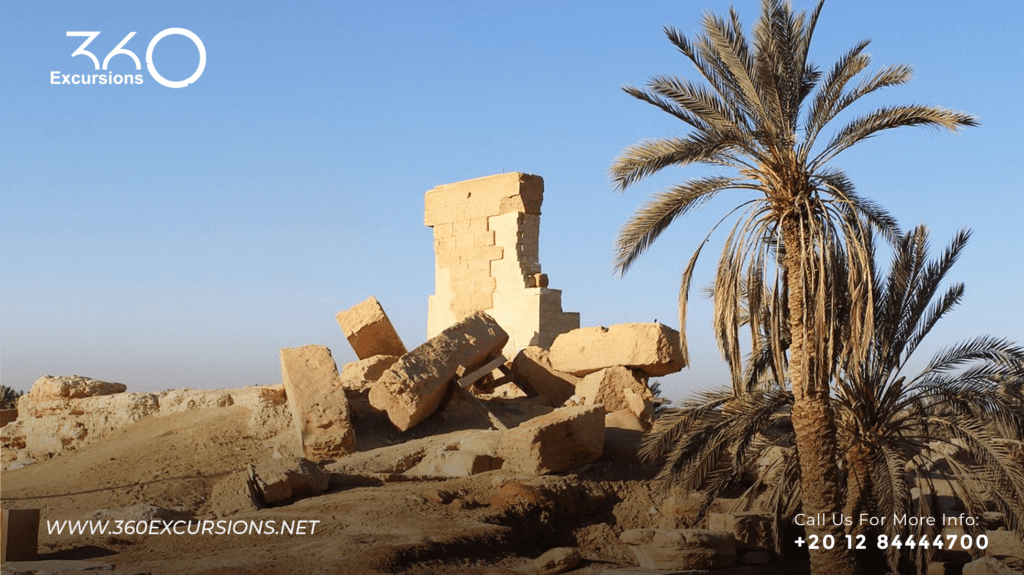
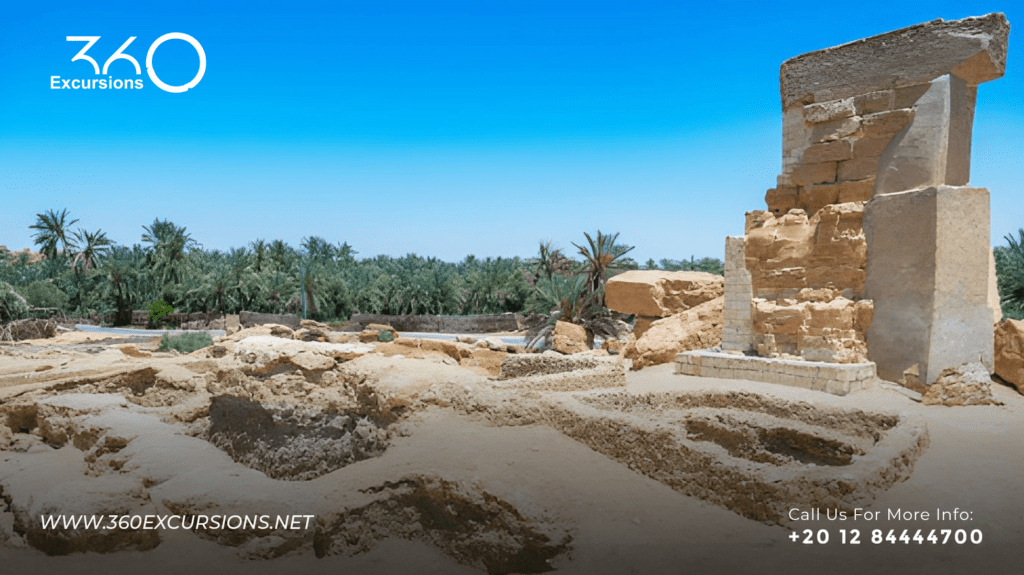
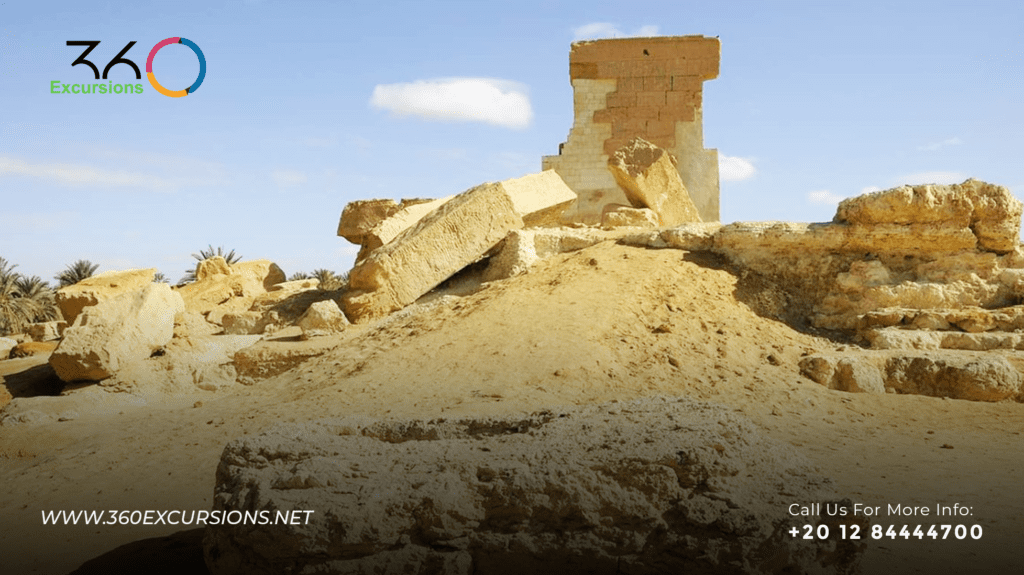
Although The Temple Of Umm Ubayd Was Largely Destroyed Over Time, Its Remaining Elements Still Convey Its Former Importance.
Stone Blocks
Scattered Stone Blocks Are The Most Visible Remains Of The Temple Of Umm Ubayd. These Large Limestone Blocks Once Formed Walls, Columns, And Architectural Features Of The Temple Structure.
Key Observations Include:
- Precisely Cut Stone Blocks
- Remnants Of Temple Foundations
- Evidence Of Monumental Construction
- Alignment Suggesting Original Layout
These Blocks Allow Visitors To Visualize The Temple’s Original Scale And Design.
Carved Fragments
Several Carved Fragments Survive Among The Ruins Of The Temple Of Umm Ubayd, Offering Insight Into Its Decorative Program.
Carved Fragment Highlights Include:
- Reliefs Depicting Religious Symbols
- Hieroglyphic Inscriptions
- Decorative Motifs Linked To Amun
- Signs Of Greco-Roman Artistic Style
These Fragments Are Essential Clues To The Temple’s Ritual And Artistic Identity.
Nearby Attractions
Visiting The Temple Of Umm Ubayd Is Best Combined With Other Sacred Sites In Siwa Oasis.
Temple Of The Oracle
Temple of the Oracle Is Located Nearby And Is One Of Siwa’s Most Famous Ancient Sites. This Temple Is Where Alexander The Great Famously Consulted The Oracle Of Amun In 331 BC.
Together, The Temple Of Umm Ubayd And The Temple Of The Oracle:
- Form A Unified Sacred Landscape
- Highlight Siwa’s Religious Importance
- Reflect Ancient Pilgrimage Traditions
- Provide Context For Oracle Worship
Visitors Often Combine The Temple Of Umm Ubayd With Shali Castle And Natural Landmarks Like Cleopatra Spring For A Well-Rounded Siwa Experience.
How To Reach
The Temple Of Umm Ubayd Is Located Near Central Siwa Oasis And Is Easily Reached With Local Transportation. Many Travelers Visiting From Major Tourist Hubs Choose Structured Itineraries Such As A Cairo and Alexandria tour Or A Cairo Day Trip by Plane Before Continuing Toward Remote Desert Destinations Like Siwa.
Ways To Reach The Temple Of Umm Ubayd Include:
- Walking Or Biking From Siwa Town
- Local Taxi Or Tuk-Tuk
- Guided Siwa Oasis Tours
Due To Minimal Signage, Visiting With A Local Guide Is Recommended For Context And Navigation.
Visiting Tips
To Make The Most Of Your Visit To The Temple Of Umm Ubayd:
- Visit During Early Morning Or Late Afternoon
- Wear Comfortable Shoes For Uneven Ground
- Bring Water And Sun Protection
- Respect The Fragile Ruins
- Combine With Nearby Oracle Sites
Explorers Of The Western Desert Often Extend Their Journey To Sites Like Great Sand Sea Or Bahariya Oasis Egypt To Experience Egypt’s Vast Desert Landscapes.
Conclusion
The Temple Of Umm Ubayd May Appear Modest In Size, But Its Historical And Spiritual Importance Is Profound. As Part Of Siwa’s Sacred Oracle Landscape, The Temple Of Umm Ubayd Reflects A Time When Kings And Commoners Alike Sought Divine Answers In The Desert. Through Its Stone Blocks, Carved Fragments, And Proximity To The Oracle Of Amun, The Temple Of Umm Ubayd Offers Visitors A Quiet Yet Powerful Encounter With One Of Egypt’s Most Mystical Regions. For Travelers Exploring Siwa Oasis Beyond Its Natural Beauty — And Possibly Combining Their Trip With Classic Egyptian Highlights Such As the Great Pyramids of Giza — The Temple Of Umm Ubayd Provides A Meaningful Connection To Ancient Faith, Ritual, And History.
FAQs
Is The Temple Of Umm Ubayd Worth Visiting?
Especially For Visitors Interested In Siwa’s Religious History.
How Old Is The Temple Of Umm Ubayd?
It Dates Primarily To The Greco-Roman Period.
Is There An Entry Fee?
Usually No Or A Very Small Local Fee.
Can I Visit Without A Guide?
Yes — But A Guide Adds Valuable Historical Context.
How Long Does A Visit Take?
Approximately 20–30 Minutes.


Comments are closed