

 Travel Guide
Complete Guide to the Avenue of Sphinxes in Luxor
The Avenue Of Sphinxes Is One Of Egypt’s Most Remarkable Archaeological Restorations And One Of The Longest Ancient Processional Roads Ever Discovered. Stretching Across The Heart Of Luxor, The Avenue Of Sphinxes Once Served As A Sacred Pathway Used For Religious Festivals And Ceremonial Processions Connecting Two Of Ancient Egypt’s Most Powerful Temples. Walking Along The Avenue Today Offers Visitors A Rare Opportunity To Experience Ancient Egyptian Urban Planning, Spiritual Beliefs, And Monumental Architecture In One Continuous Journey.
This Complete Guide To The Avenue Explores Its Overview, History, What To See, Best Time To Visit, And Frequently Asked Questions — Helping You Understand Why The Avenue of Sphinxes Is One Of Luxor’s Most Extraordinary Open-Air Museums.
Overview
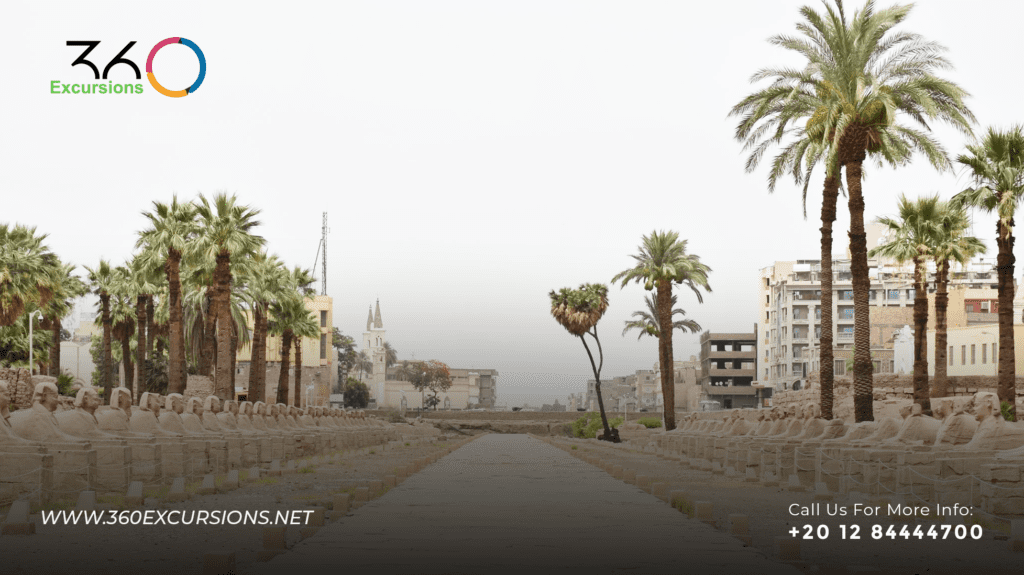
Avenue of Sphinxes Is An Ancient Ceremonial Road Extending For Nearly Three Kilometers Between Luxor Temple Egypt And Karnak Temple Luxor. Lined With Hundreds Of Stone Sphinx Statues, The Avenue Of Sphinxes Was Designed To Serve As A Sacred Corridor For Ritual Processions Dedicated To The Gods.
Ancient Ceremonial Road Linking Luxor & Karnak Temples
The Avenue Played A Central Role In Religious Life During Ancient Egyptian Times, Particularly During The Opet Festival. During These Annual Celebrations, Sacred Statues Of The Gods Were Transported Along The Avenue From Karnak Temple To Luxor Temple, Symbolizing Renewal, Divine Power, And Royal Authority.
Key Functions Of The Avenue Included:
- Hosting Religious Processions And Festivals
- Connecting Two Major Temple Complexes
- Representing Divine Protection Through Sphinx Statues
- Demonstrating The Power And Organization Of Ancient Thebes
The Avenue Of Sphinxes Was Both A Spiritual Path And A Monumental Statement Of Faith.
History
The History Of The Avenue Spans Several Dynasties, Reflecting Continuous Development And Restoration Over Centuries.
Foundation Under Amenhotep III
The Original Construction Of The Avenue Began During The Reign Of Amenhotep III In The 18th Dynasty. His Vision Was To Create A Grand Processional Route That Unified The Sacred Landscape Of Thebes.
Historical Highlights Include:
- Early Sections Built With Human-Headed Sphinxes
- Alignment With Temple Entrances
- Symbolic Representation Of Royal And Divine Power
Later Pharaohs Expanded And Modified The Avenue Of Sphinxes To Reflect Their Own Religious And Political Goals.
Sphinx Restorations
Over Time, The Avenue Of Sphinxes Fell Into Ruin, Buried Beneath Layers Of Sand And Urban Development. Large-Scale Excavation And Restoration Projects In Modern Times Have Revealed And Reconstructed Significant Portions Of The Road.
Restoration Efforts Included:
- Excavation Of Buried Sphinx Statues
- Structural Reinforcement And Conservation
- Urban Clearance To Reconnect The Full Route
- Installation Of Modern Lighting And Visitor Paths
These Restorations Have Transformed The Avenue Of Sphinxes Into One Of Egypt’s Most Impressive Archaeological Walkways.
What To See
Walking Along The Avenue Of Sphinxes Offers A Visually Powerful Experience That Combines Scale, Symmetry, And Atmosphere.
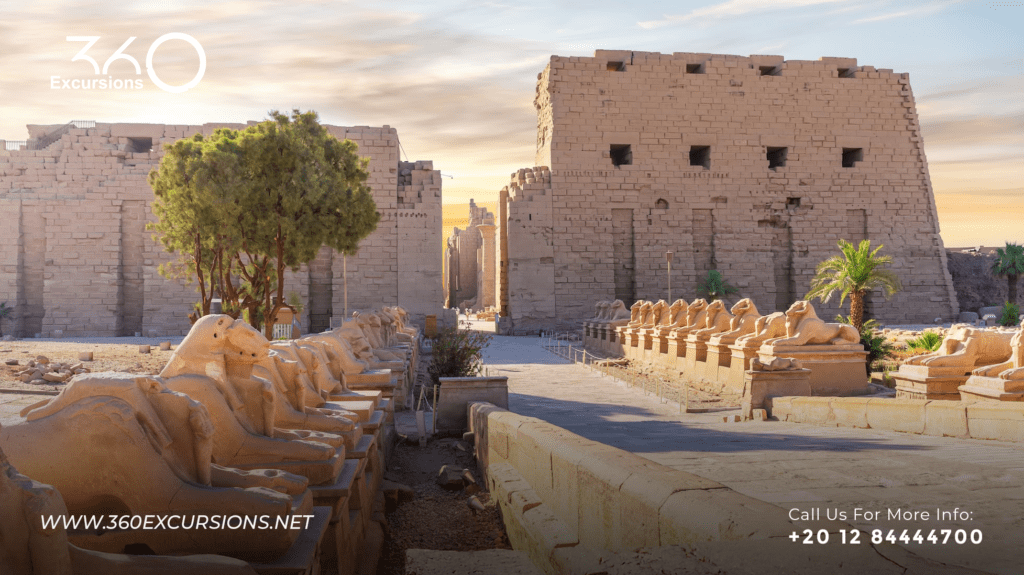
Over 1,000 Sphinx Statues
The Avenue Is Lined With More Than 1,000 Sphinx Statues, Each Carved From Stone And Positioned To Guard The Sacred Path. Some Feature Human Heads, While Others Display Ram Heads Associated With The God Amun.
Highlights Of The Sphinx Statues Include:
- Consistent Alignment And Spacing
- Variations In Style Across Dynasties
- Symbolic Protective Role
- Impressive Sense Of Continuity And Scale
These Statues Create A Strong Visual Rhythm Along The Avenue Of Sphinxes.
Night Lighting
One Of The Most Magical Experiences At The Avenue Of Sphinxes Is Visiting After Sunset. Carefully Designed Night Lighting Illuminates The Statues And Pathway, Creating A Dramatic And Atmospheric Setting.
Night Visit Highlights Include:
- Soft Golden Lighting On Stone Figures
- Enhanced Shadows And Textures
- Cooler Temperatures
- Peaceful And Photogenic Environment
Nighttime Visits Offer A Unique Perspective On The Avenue Of Sphinxes And Are Highly Recommended.
Best Time To Visit
The Best Time To Visit The Avenue Of Sphinxes Depends On Comfort And Visual Preference.
Recommended Visiting Times Include:
- Early Morning: Fewer Crowds And Soft Light
- Late Afternoon: Warm Tones And Sunset Views
- Evening: Illuminated Statues And Cooler Weather
Avoid Midday Visits During Summer Due To High Temperatures.
Visiting Tips
To Enhance Your Experience At The Avenue:
- Wear Comfortable Walking Shoes
- Bring Water, Especially In Warm Months
- Combine The Visit With Luxor Or Karnak Temple
- Visit At Night For A Unique Atmosphere
- Take Time To Walk The Full Length
A Slow And Observant Walk Reveals The Full Impact Of The Avenue Of Sphinxes. Many Travelers Combine This With nearby highlights like the Valley of the Kings as a best way to explore Luxor’s West Bank in the same itinerary.
For Day Trip Options, travelers coming from the Red Sea often choose a guided excursion like the Luxor Day Trip to cover the main temples efficiently.
Conclusion
The Avenue Of Sphinxes Is A Monumental Testament To Ancient Egypt’s Spiritual Vision, Architectural Mastery, And Cultural Continuity. Stretching Between Luxor And Karnak Temples, The Avenue Recreates A Sacred Journey That Once Defined Religious Life In Ancient Thebes. With Its Endless Rows Of Sphinx Statues, Powerful History, And Stunning Night Illumination, The Avenue Offers One Of The Most Memorable Walking Experiences In Egypt. For Travelers Seeking History, Atmosphere, And Awe In Equal Measure, The Avenue Of Sphinxes In Luxor Is An Absolute Must-See Destination. If you want to build a bigger guided plan across Egypt’s top cities, a structured Cairo and Alexandria tour can complement a Luxor itinerary nicely.
FAQs
Is The Avenue Of Sphinxes Worth Visiting?
Yes It Is One Of Luxor’s Most Impressive Archaeological Achievements.
How Long Does It Take To Walk The Avenue?
Approximately 45 Minutes To 1 Hour.
Is There An Entry Fee?
Access Is Usually Included With Nearby Temple Tickets Or Public Access Zones.
Can I Visit At Night?
Yes Night Visits Are One Of The Highlights.
Is The Avenue Suitable For Families?
It Is Open, Safe, And Educational.


Comments are closed