

 Travel Guide
Complete Guide to the Coptic Museum in Old Cairo
The Coptic Museum Is One Of Egypt’s Most Important Cultural Institutions — A Treasure House That Preserves And Celebrates The Christian Heritage Of Egypt From The Earliest Centuries To The Islamic Period. Located In The Historic District Of Old Cairo, The Coptic Museum Offers Visitors A Deep And Insightful Journey Through Art, Faith, And Daily Life As Expressed By Egypt’s Coptic Community Over Nearly Two Millennia. As The World’s Largest Collection Of Coptic Artifacts, The Coptic Museum Provides An Essential Perspective On The National Museum Of Egyptian Civilization And Egypt’s Multilayered Identity Beyond Pharaonic And Islamic History.
This Complete Guide To The Coptic Museum In Old Cairo Explores Its Overview, Exhibits, Museum Layout, Tickets And Opening Hours, Best Time To Visit, And Frequently Asked Questions — Helping You Discover One Of Cairo’s Most Enriching And Underrated Museums Near the Hanging Church.
Overview
Coptic Museum Is Located Within The Walls Of Coptic Cairo, Near Some Of Egypt’s Oldest Churches And Religious Landmarks. Founded In 1908 By Marcus Simaika Pasha, The Museum Was Created To Protect And Display Coptic Art At A Time When Many Artifacts Were At Risk Of Loss Or Destruction Near Abu Serga Church.
Largest Collection Of Coptic Artifacts Worldwide
The Coptic Museum Is Renowned As The Largest Repository Of Coptic Art In The World. Its Collection Spans From The Greco-Roman Period Through The Early Islamic Era, Demonstrating How Christian Art In Egypt Developed In Dialogue With Surrounding Cultures. The Museum’s Global Importance Lies In:
- Preserving Over 16,000 Artifacts
- Documenting The Evolution Of Early Christian Art
- Demonstrating Continuity Between Pharaonic, Greco-Roman, And Christian Traditions
- Providing Context For Egypt’s Christian Community
The Coptic Museum Plays A Vital Role In Preserving A Cultural Identity That Is Uniquely Egyptian And Deeply Rooted In History Alongside Landmarks Like Ben Ezra Synagogue Cairo.
Exhibits
The Coptic Museum’s Exhibits Are Organized By Material And Theme, Allowing Visitors To Understand Both Artistic Techniques And Cultural Meaning.
Manuscripts
One Of The Most Valuable Sections Of The Coptic Museum Is Its Collection Of Manuscripts. These Rare Texts Provide Insight Into Early Christian Thought, Theology, And Language. Manuscript Highlights Include:
- Biblical Texts Written In Coptic
- Early Translations Of The Gospels
- Liturgical Books Used In Worship
- Documents Preserving The Coptic Language
These Manuscripts Are Essential For Scholars Studying The Development Of Christianity And Language In Egypt.
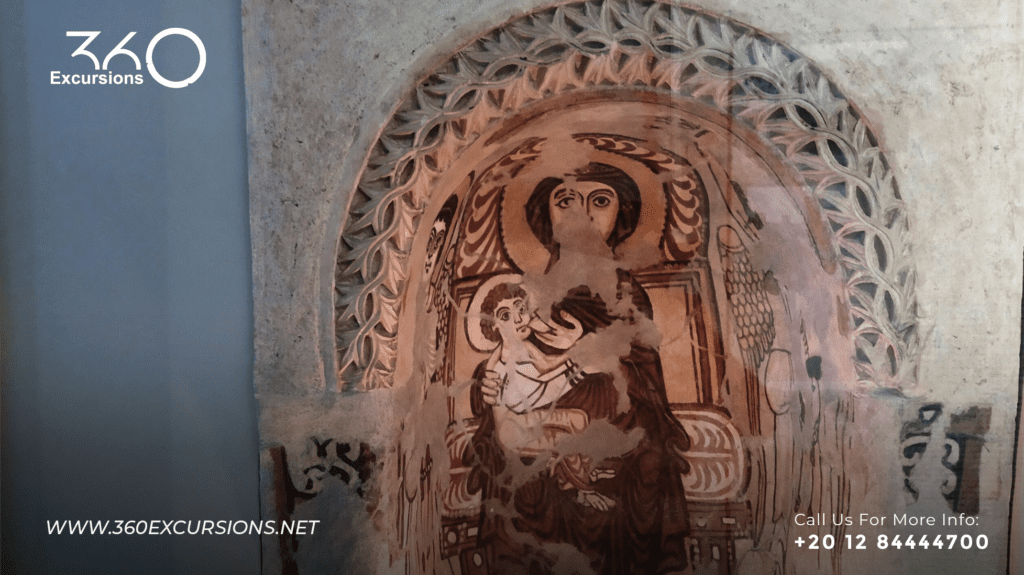
Textiles & Icons
Coptic Textiles And Icons Are Among The Most Visually Striking Objects In The Museum. Known For Their Rich Colors And Symbolic Motifs, These Works Reveal Daily Life, Religious Beliefs, And Artistic Skill. Textile And Icon Highlights Include:
- Woven Tunics And Decorative Panels
- Christian Symbols Such As Crosses And Saints
- Painted Wooden Icons From Early Churches
- Motifs Influenced By Roman And Byzantine Art
These Pieces Demonstrate How Coptic Art Balanced Spiritual Meaning With Everyday Use.
Woodwork
The Woodwork Collection At The Coptic Museum Is One Of Its Most Impressive And Unique Sections. Many Of These Objects Survived Because Egypt’s Dry Climate Preserved Organic Materials That Rarely Last Elsewhere. Woodwork Highlights Include:
- Intricately Carved Church Doors
- Pulpits And Screens From Ancient Churches
- Geometric And Floral Motifs
- Early Christian Symbolism
This Collection Shows The High Level Of Craftsmanship Achieved By Coptic Artisans.
Museum Layout
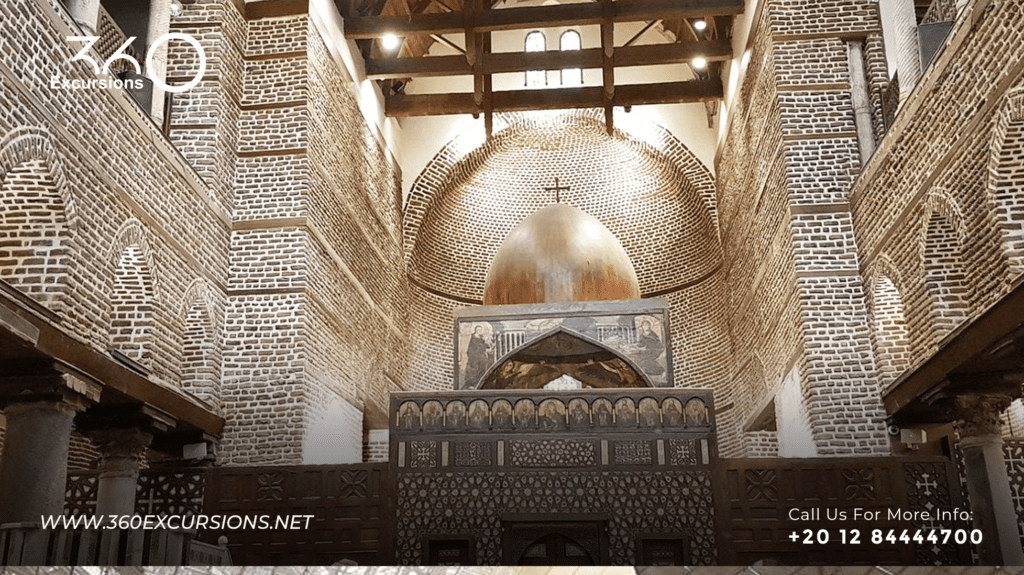
The Coptic Museum Is Divided Into Two Main Sections: The Old Museum And The New Museum. Together, They Form A Cohesive Journey Through Time And Art. The Layout Features:
- Spacious Galleries With Natural Light
- A Central Courtyard With Historic Architectural Elements
- Chronological And Thematic Exhibit Organization
- Clear Signage And Informational Panels
The Museum’s Design Reflects Traditional Islamic And Coptic Architectural Elements, Creating A Calm And Reflective Atmosphere Within The Historic Setting Of Babylon Fortress Cairo.
Tickets & Opening Hours
The Coptic Museum Is Open To The Public And Easily Accessible As Part Of A Visit To Old Cairo. General Visiting Information Includes:
- Affordable Entry Ticket
- Discounts For Students And Children
- Standard Opening Hours During The Day
- Last Entry Typically One Hour Before Closing
Ticket Prices And Hours May Change, So Visitors Are Advised To Check Current Information Before Arrival, And Many Travelers Add It Easily During Cairo Day Trip by bus Planning.
Best Time To Visit
The Best Time To Visit The Coptic Museum Is During The Morning Hours When Galleries Are Quiet And Light Is Soft. Ideal Visiting Times Include:
- Morning: Fewer Visitors And Better Viewing Conditions
- Weekdays: Less Crowded Than Weekends
Because The Museum Is Indoors, It Is An Excellent Year-Round Destination, Especially During Hot Summer Months, And It Fits Well Into A Tight Schedule Like Cairo Day Trip by Plane.
Conclusion
The Coptic Museum Is A Window Into Egypt’s Christian Soul — A Place Where Faith, Art, And Daily Life Are Preserved In Remarkable Detail. From Ancient Manuscripts And Sacred Icons To Intricate Woodwork And Textiles, The Coptic Museum Tells A Story Of Continuity, Resilience, And Cultural Fusion. For Visitors Seeking A Deeper Understanding Of Egypt’s Diverse Heritage, The Coptic Museum In Old Cairo Is Not Just A Museum — It Is An Essential Chapter In The Story Of Egypt Itself And A Meaningful Stop Before A Longer Itinerary Like Cairo and Alexandria tour.
FAQs
Is The Coptic Museum Worth Visiting?
It Offers The Most Comprehensive Overview Of Coptic Art And History In The World, Especially When Combined With Exploring Khan Al-Khalili Cairo.
How Long Does A Visit Take?
Approximately 1.5 To 2 Hours, Making It Easy To Pair With A Walk Around El Moez Street Cairo.
Is The Coptic Museum Suitable For Families?
Educational And Engaging For All Ages.
Is Photography Allowed?
Photography Policies May Vary By Section; Flash Is Usually Prohibited.
Can I Visit Without A Guide?
Yes But A Guide Enhances Understanding Of Symbolism And History.


Comments are closed