
 Travel Guide
Complete Guide to the Temple of Khnum in Esna
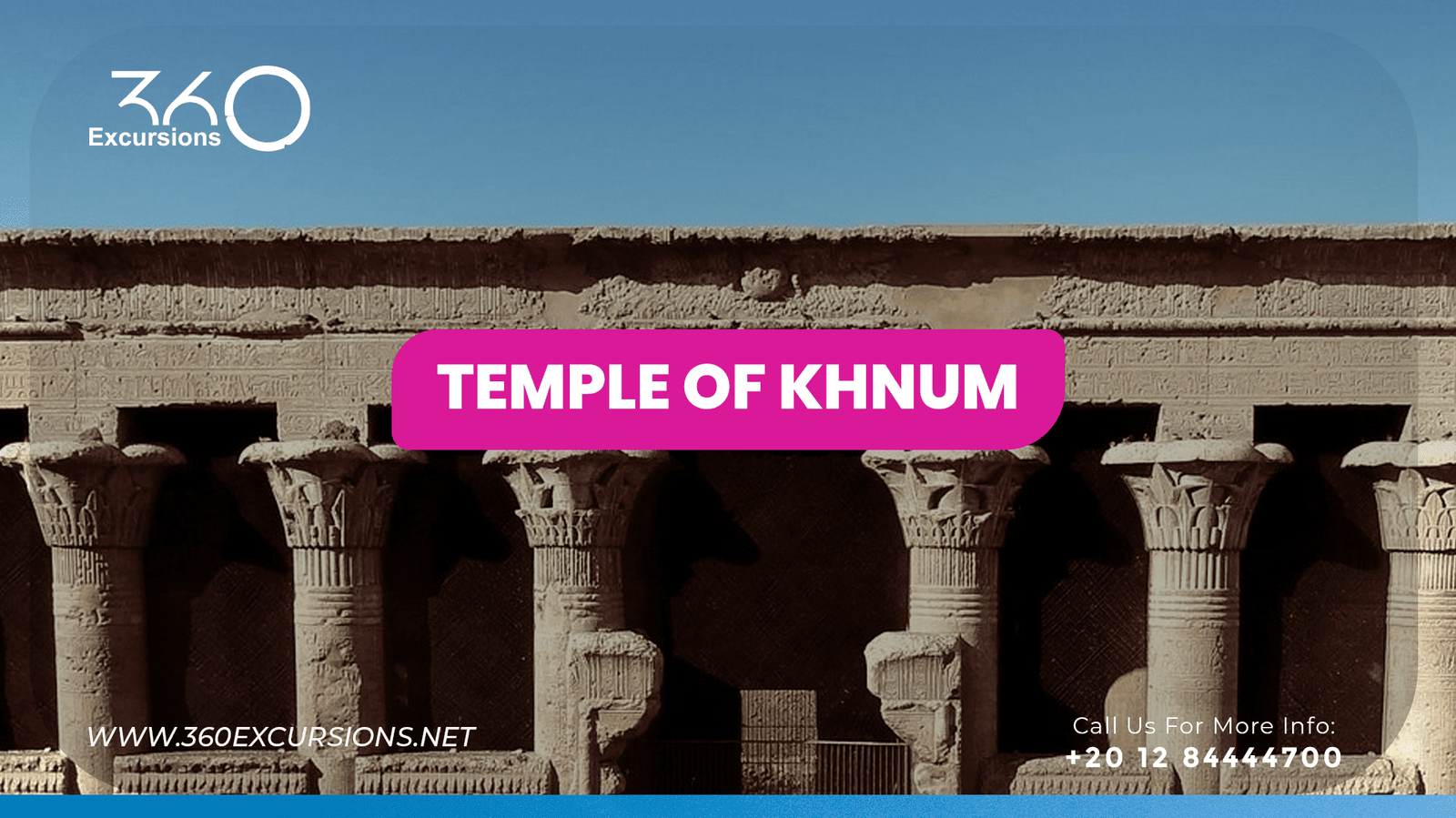
Temple Of Khnum Is One Of Egypt’s Most Remarkable Yet Underrated Ancient Temples — A Masterpiece Of Color, Symbolism, And Religious Meaning Preserved Beneath The Modern City Of Esna. Unlike Many Temples That Survive As Bare Stone Ruins, Temple Of Khnum Retains Large Portions Of Its Original Painted Reliefs And Ceilings, Offering Visitors A Rare Opportunity To See Ancient Egyptian Art As It Was Meant To Be Seen. Located On The West Bank Of The Nile In Esna, Temple Of Khnum Stands As A Testament To The Enduring Power Of Ancient Religion During The Ptolemaic And Roman Periods.
This Complete Guide To The Temple Of Khnum In Esna Explores Its Overview, History, Artistic Highlights, Visiting Tips, How To Reach The Temple, And Frequently Asked Questions — Providing A Deep And Accessible Understanding Of One Of Upper Egypt’s Most Visually Stunning Sacred Sites.
Overview
Temple of Khnum Is Dedicated To The Ram-Headed God Khnum, One Of The Oldest Deities In The Ancient Egyptian Pantheon. The Temple Is Famous For Its Exceptionally Well-Preserved Reliefs, Vibrant Colors, And Astronomical Ceiling Decorations. Unlike Many Temples Built On Elevated Ground, Temple Of Khnum Sits Several Meters Below Street Level Due To Centuries Of Nile River Flooding And Urban Development.
Why Khnum Temple Is Unique In Its Reliefs & Colors
Temple Of Khnum Is Unique Because It Preserves One Of The Richest Collections Of Painted Reliefs In Egypt. While Most Temples Lost Their Original Colors Over Time, Temple Of Khnum’s Interior Remained Protected By Layers Of Sediment, Allowing Pigments To Survive For Nearly Two Thousand Years.
What Makes Temple Of Khnum Exceptional Includes:
- Vivid Reds, Blues, Greens, And Yellows
- Astronomical Zodiac And Calendar Reliefs
- Detailed Depictions Of Roman Emperors As Pharaohs
- Hieroglyphic Texts With Sharp Clarity
These Colors Provide Crucial Insight Into How Ancient Egyptian Temples Originally Appeared, Making Temple Of Khnum A Key Reference For Archaeologists And Art Historians.
History
The History Of Temple Of Khnum Reflects A Period When Ancient Egyptian Religious Traditions Continued To Thrive Under Foreign Rule.
Roman & Ptolemaic Construction
Temple Of Khnum Was Built Primarily During The Ptolemaic And Roman Periods, Beginning In The Reign Of Ptolemy VI And Continuing Under Several Roman Emperors. Despite Greek And Roman Control Of Egypt, Temple Builders Strictly Followed Traditional Egyptian Architectural And Religious Styles.
Key Historical Aspects Include:
- Construction Spanning Several Centuries
- Contributions By Multiple Rulers
- Use Of Classical Egyptian Temple Layouts
- Integration Of Roman Emperors Into Pharaonic Iconography
Roman Emperors Are Depicted Wearing Pharaonic Crowns And Performing Sacred Rituals, Demonstrating How Foreign Rulers Adopted Egyptian Religious Customs To Legitimize Their Authority.
Worship Of Khnum
Khnum Was Believed To Be The Divine Creator Of Human Life, Fashioning People On A Potter’s Wheel From Nile Clay. As A God Associated With Creation, Fertility, And The Annual Nile Flood, Khnum Played A Vital Role In Egyptian Religious thought.
The Worship Of Khnum Focused On:
- Creation Of Life And Souls
- Control Of The Nile’s Waters
- Protection Of Fertility And Agriculture
- Renewal And Balance Of The Universe
Temple Of Khnum Served As A Major Cult Center Where Priests Performed Rituals To Ensure Prosperity And Cosmic Order.
Highlights
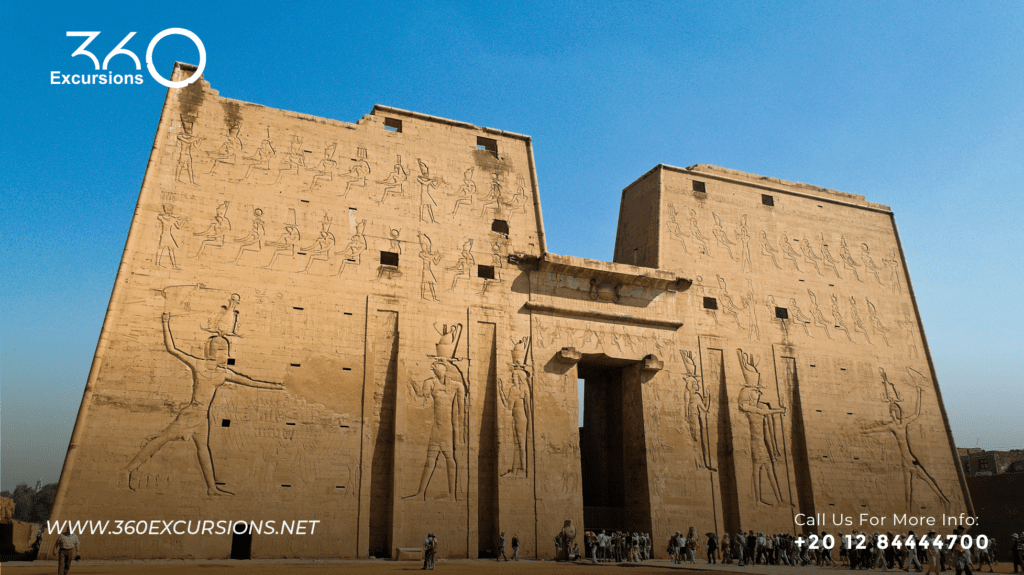
Temple Of Khnum Is Rich In Architectural And Artistic Highlights That Make It One Of The Most Fascinating Temples In Egypt.
Painted Ceiling
The Painted Ceiling Of Temple Of Khnum Is One Of Its Most Extraordinary Features. Covered In Astronomical Scenes, Zodiac Signs, And Mythological Symbols, The Ceiling Offers A Rare Look At Ancient Egyptian Cosmology.
Ceiling Highlights Include:
- Star Maps And Constellations
- Depictions Of Deities Associated With Time
- Brightly Preserved Pigments
- Symbolic Representations Of The Sky
Standing Beneath This Ceiling Creates A Powerful Sense Of Awe And Connection To Ancient Beliefs About The Cosmos.
Hypostyle Hall
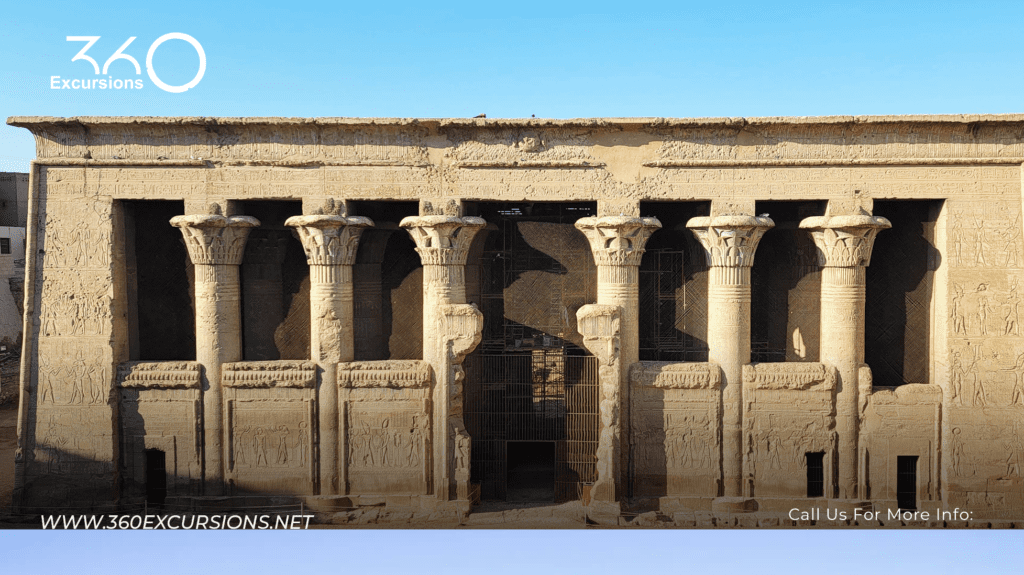
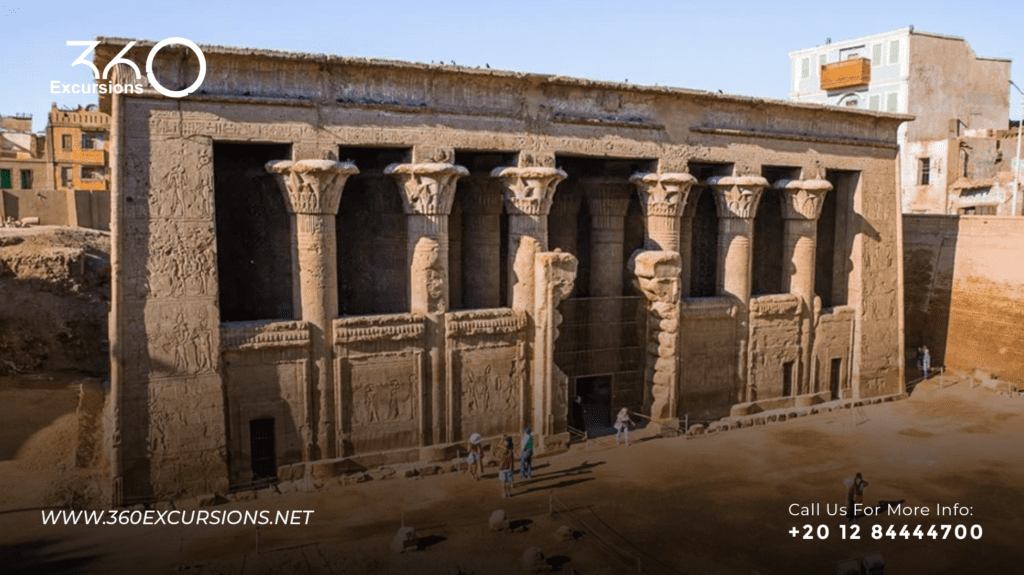
The Hypostyle Hall Is The Central Space Of Temple Of Khnum And One Of The Best-Preserved Hypostyle Halls In Egypt. Massive Columns Support The Stone Roof, Creating A Cool, Shaded Interior Filled With Symbolic Imagery.
Features Of The Hypostyle Hall Include:
- Tall Columns With Detailed Carvings
- Ritual Scenes Covering The Walls
- Inscriptions Naming Roman Emperors
- Harmonious Architectural Proportions
The Hall Was Designed To Impress Worshippers And Reflect The Power Of The Gods.
Column Capitals
The Column Capitals Of Temple Of Khnum Are Renowned For Their Variety And Detail. Each Capital Is Decorated With Plant Motifs Symbolizing Creation And Renewal.
Notable Capital Designs Include:
- Lotus And Papyrus Forms
- Palm Leaf Motifs
- Intricate Painted Details
- Unique Variations On Each Column
These Capitals Demonstrate The Artistic Skill And Symbolic Language Of Ancient Egyptian Craftsmen.
Visiting Tips
To Fully Appreciate Temple Of Khnum, Visitors Should Prepare Accordingly — And If You’re Building A Broader Upper Egypt Route, It’s Easy To Combine Esna With Nearby Sites Like The Dendera Temple Complex.
Helpful Visiting Tips Include:
- Visit During Early Morning For Better Lighting
- Spend Time Looking Up At Ceiling Details
- Hire A Guide To Explain Symbolism
- Wear Comfortable Shoes For Stone Floors
- Respect Barriers Protecting Painted Reliefs
Photography Is Allowed In Most Areas, But Flash Photography Is Prohibited To Protect The Colors — Especially If You Plan To Pair Esna With Another classic stop like Edfu Temple.
How To Reach
Temple Of Khnum Is Located In The City Of Esna, Approximately 55 Kilometers South Of Luxor, Making It A Smooth add-on for travelers exploring the region’s major monuments such as Karnak Temple.
Transportation Options Include:
- Car Or Taxi From Luxor: Around 1 Hour
- Nile Cruise Stop: Many Cruises Include Esna
- Private Guided Tour: Ideal For In-Depth Visits
If You’re Traveling From The Red Sea And Want A Time-Efficient option, Some Visitors Choose A Fast Luxor day trip by plane And Then Continue South Toward Esna.
Conclusion
Temple Of Khnum Is A Rare Treasure That Reveals Ancient Egypt In Full Color — A Place Where Myth, Art, And Architecture Remain Vividly Alive. From Its Painted Ceiling To Its Majestic Hypostyle Hall And Symbolic Columns, Temple Of Khnum Offers One Of The Most Complete Visual Experiences Of Ancient Egyptian Religious Art. Often Overlooked By Travelers, Temple Of Khnum Rewards Those Who Visit With Insight, Beauty, And A Deeper Understanding Of Egypt’s Enduring Spiritual Legacy — And If You’re Planning A Multi-City Itinerary, It Can Fit Beautifully alongside a Cairo day trip by plane For A Balanced Mix Of Temples And Museums.
FAQs
Is Temple Of Khnum Worth Visiting?
It Is One Of The Best-Preserved And Most Colorful Temples In Egypt, Especially For Travelers Who Also Explore landmark collections like the Luxor Museum.
How Long Does A Visit Take?
Approximately 45–60 Minutes.
Is Temple Of Khnum Suitable For Families?
With Supervision Due To Uneven Surfaces.
Can I Visit Temple Of Khnum On A Nile Cruise?
It Is A Popular Stop On Luxor–Aswan Cruises, And Many travelers extend their route into Aswan.
Is Photography Allowed Inside Temple Of Khnum?
Without Flash — And It’s worth saving your best shots for other iconic river temples such as theTemple of Philae.
If You Prefer A Low-Cost route to pair with Upper Egypt later, some travelers start with a Cairo day trip by bus Before heading south.


Comments are closed