
 Travel Guide
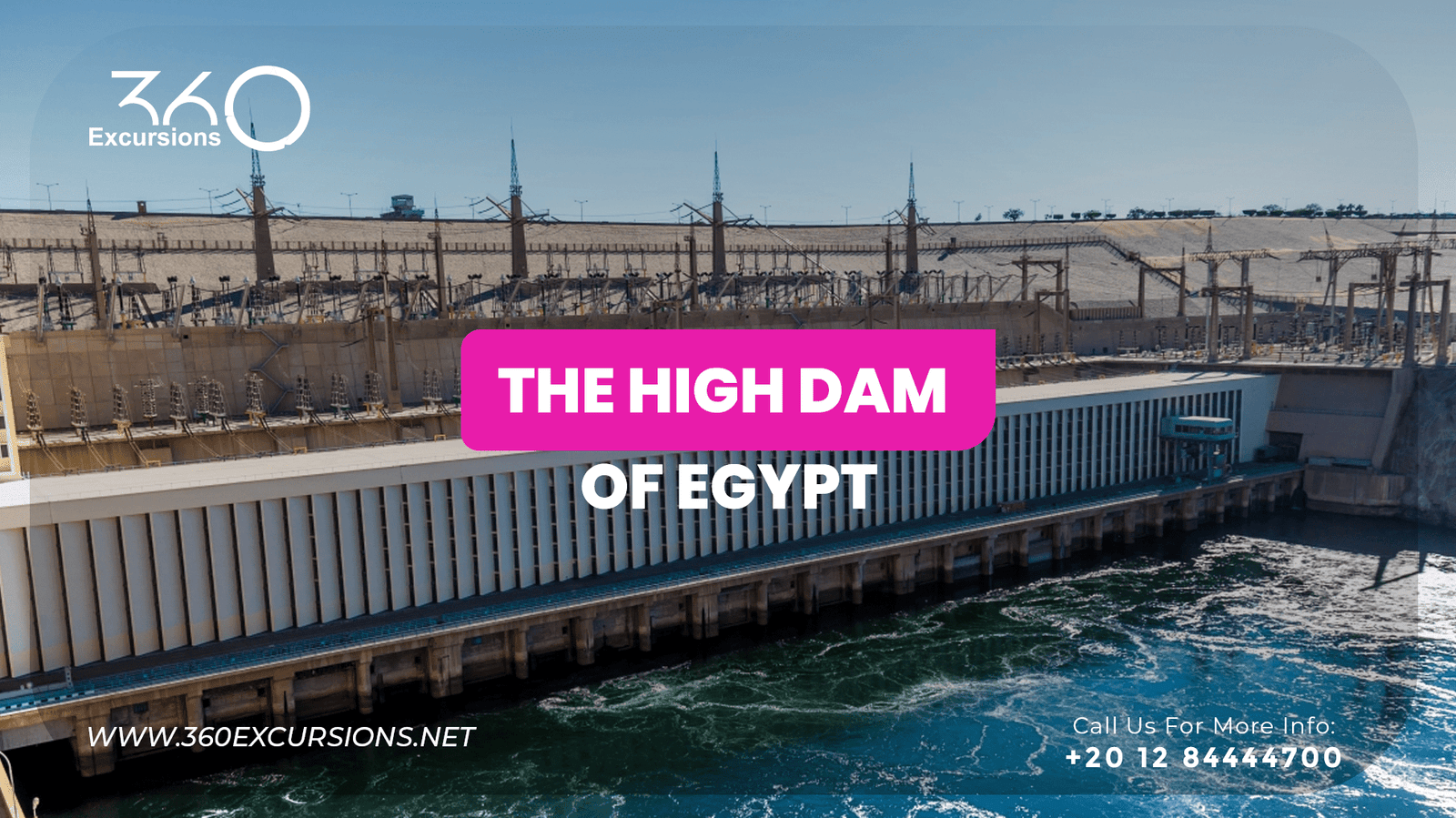
Complete Guide to The High Dam Of Egypt
The High Dam Of Egypt Is One Of The Most Influential Engineering Projects In The Country’s Modern History And A Landmark That Transformed Egypt’s Economy, Agriculture, And Relationship With The Nile River. Rising South Of Aswan, The High Dam Represents A Turning Point Where Modern Engineering Met Ancient Geography To Control Floods, Generate Electricity, And Secure Water Resources For Millions. Visiting The High Dam Of Egypt Offers Insight Into How A Single Infrastructure Project Reshaped Daily Life Across The Nation.
This Complete Guide To The High Dam Of Egypt Explores Its Overview, Historical Background, Engineering Design, What To See On Site, Visiting Information, And Frequently Asked Questions — Providing A Clear And Engaging Understanding Of Why The High Dam Matters Today.
Overview
Aswan High Dam Is Located Near Aswan Egypt And Spans The Nile River To Form Lake Nasser In Africa, One Of The Largest Artificial Lakes In The World. The High Dam Was Built To Regulate The Flow Of The Nile, Protect Against Flooding, And Provide A Stable Water Supply Year-Round.
Why The High Dam Changed Modern Egypt
Before The Construction Of The High Dam Of Egypt, The Nile’s Annual Floods Were Both A Blessing And A Threat. While Floods Deposited Fertile Silt, They Also Caused Destruction And Unpredictable Crop Losses.
The High Dam Changed Modern Egypt By:
- Preventing Destructive Annual Floods
- Ensuring Reliable Irrigation For Agriculture
- Generating Large-Scale Hydroelectric Power
- Supporting Industrial Growth
- Improving Long-Term Water Management
As A Result, The High Dam Of Egypt Became A Cornerstone Of Egypt’s Modern Development Strategy.

History
The History Of The High Dam Is Closely Linked To Egypt’s Post-Colonial Vision Of Independence And National Progress.
Construction Under Nasser
The High Dam Of Egypt Was Conceived And Executed During The Presidency Of Gamal Abdel Nasser In The 1950s And 1960s. Nasser Viewed The Project As A Symbol Of National Sovereignty And Economic Self-Sufficiency.
Key Historical Milestones Include:
- Project Approval In The Mid-1950s
- International Political Challenges And Funding Shifts
- Cooperation With Soviet Engineers
- Completion And Official Opening In 1970
The Construction Of The High Dam Of Egypt Marked A Defining Moment In Egypt’s Modern Political History.
Engineering Design
The Engineering Design Of The High Dam Is A Remarkable Achievement In Scale And Complexity. Built Primarily From Granite And Earth Fill, The Dam Was Designed To Withstand Immense Water Pressure And Long-Term Environmental Stress.
Engineering Features Include:
- Length Of Nearly 4 Kilometers
- Height Of Over 110 Meters
- Massive Core Of Rock And Clay
- Complex Spillway And Control Systems
The Design Ensured That The High Dam Of Egypt Could Safely Control One Of The World’s Longest Rivers.
What To See
Visiting The High Dam Of Egypt Offers Several Key Viewing Points And Features That Highlight Its Scale And Function.
Lake Nasser Viewpoint
One Of The Main Highlights At The High Dam Is The Viewpoint Over Lake Nasser. Stretching Hundreds Of Kilometers Southward, The Lake Appears As A Vast Blue Expanse Against The Desert Landscape.
Lake Nasser Viewpoint Highlights Include:
- Panoramic Views Of The Reservoir
- Stark Contrast Between Water And Desert
- Clear Perspective Of The Dam’s Size
- Ideal Photo Opportunities
This View Emphasizes The Immense Impact Of The High Dam Of Egypt On The Nile Valley.
Hydropower Stations
The Hydropower Stations Of The High Dam Are A Core Part Of Its Function, Producing Electricity For Cities, Industries, And Rural Areas.
Key Facts About The Hydropower Stations Include:
- Multiple Turbines Generating Renewable Energy
- Significant Contribution To National Power Supply
- Reduced Dependence On Fossil Fuels
- Foundation For Industrial Expansion
Although Access To The Interior Is Limited, Informational Displays Explain How The High Dam Of Egypt Generates Power.

Visiting Info
Visiting The High Dam Of Egypt Is Straightforward And Often Included In Aswan City Tours. Many Travelers Combine It With Visits To Temple of Philae For A Complete Southern Egypt Experience.
General Visiting Information Includes:
- Short Drive From Aswan City Center
- Accessible Viewing Platforms
- Visits Typically Last 30–45 Minutes
- Often Combined With Lake Nasser And Philae Temple Tours
Security Procedures May Apply, So Carry Identification.
Travelers Based In The Red Sea Region Often Add Upper Egypt To Their Itinerary Through An Organized Luxor Day Trip Before Continuing To Aswan.
For Visitors Short On Time, A Cairo Day Trip by Plane Can Be Combined With A Southern Extension To Experience Both Ancient And Modern Engineering Landmarks.
Some Travelers Prefer A Multi-Day Cultural Route Such As The Cairo and Alexandria tour Before Heading South To Explore Aswan And The High Dam.
Visiting Tips
To Make The Most Of Your Visit To The High Dam Of Egypt:
- Visit In The Morning Or Late Afternoon
- Bring Sun Protection And Water
- Combine With Nearby Aswan Attractions
- Take Time To Read Informational Signs
- Bring A Camera For Wide Landscape Shots
These Tips Ensure A Comfortable And Informative Visit.
Conclusion
The High Dam Of Egypt Stands As A Monument To Modern Engineering, National Ambition, And Strategic Vision. From Its Role In Controlling The Nile And Generating Power To Its Profound Impact On Agriculture And Industry, The High Dam Changed The Course Of The Nation’s Development. For Visitors To Aswan And Southern Egypt, Experiencing The High Dam Of Egypt Provides Essential Context For Understanding How Ancient Landscapes And Modern Technology Came Together To Shape Contemporary Egypt.

FAQs
Is The High Dam Of Egypt Worth Visiting?
It Is One Of Egypt’s Most Important Modern Landmarks.
How Long Does A Visit Take?
Approximately 30 To 45 Minutes.
Can You Walk On The Dam?
Yes — Designated Viewing Areas Are Accessible.
Is Photography Allowed?
Photography Is Allowed In Public Areas.
Why Is The High Dam Important?
It Controls Flooding, Produces Electricity, And Secures Water Resources.


Comments are closed