
 Travel Guide
Complete Guide to The Sphinx Statue
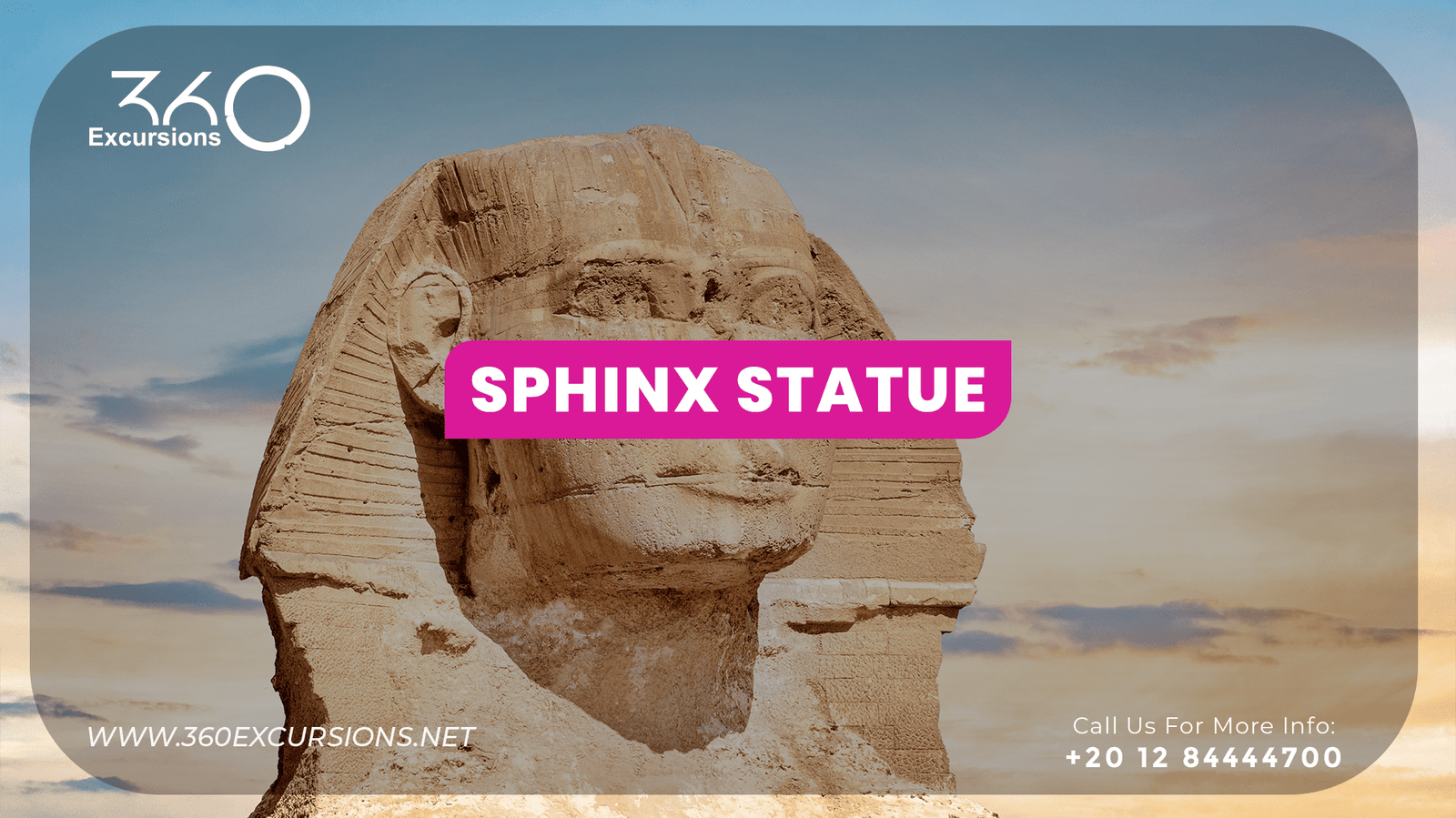
The Sphinx Statue Is One Of The Most Recognizable And Mysterious Monuments Ever Created By Human Civilization. Standing Guard On The Giza Egypt Plateau For Over 4,500 Years, The Sphinx Statue Represents Power, Protection, And Divine Authority In Ancient Egypt. With The Body Of A Lion And The Head Of A Human King, The Sphinx Statue Has Captivated Travelers, Scholars, And Artists For Centuries. It Is Not Only A Symbol Of Ancient Egyptian Genius, But Also A Silent Witness To The Rise And Fall Of Civilizations Surrounding It.
This Complete Guide To The Sphinx Statue Explores Its Overview, History, Key Features, Best Time To Visit, Photography Tips, How To Reach The Monument, And Frequently Asked Questions — Offering A Deep And Accessible Understanding Of One Of The World’s Greatest Archaeological Icons.
Overview
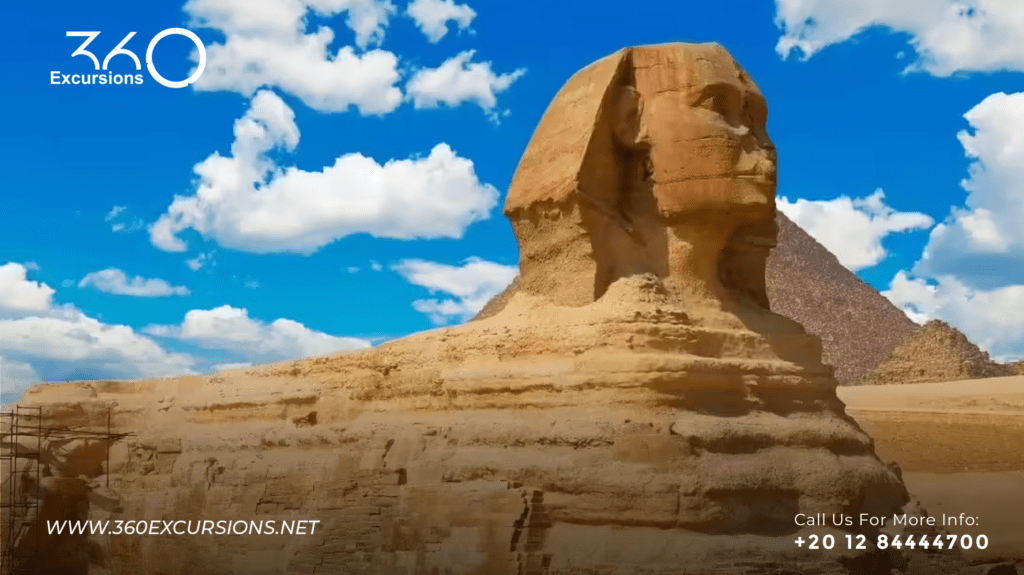
Great Sphinx of Giza Is Located On The Giza Plateau Near the Great Pyramids of Giza, Forming One Of The Most Iconic Archaeological Landscapes In The World. Carved Directly From Limestone Bedrock, The Sphinx Statue Measures Approximately 73 Meters In Length And 20 Meters In Height, Making It The Largest Monolithic Statue In The World. Nearby Sacred Structures Such As The Valley Temple Add Historical Context To The Monument.
Significance Of The Sphinx
The Sphinx Statue Served As A Guardian Figure, Protecting Sacred Spaces And Royal Tombs From Evil Forces. In Ancient Egyptian Belief, The Combination Of Human Intelligence And Lion Strength Symbolized Ultimate Power And Balance.
The Significance Of The Sphinx Statue Includes:
- Acting As A Protector Of The Giza Necropolis
- Representing Royal Authority And Divine Kingship
- Serving As A Spiritual Gateway Between Worlds
- Symbolizing Eternal Vigilance And Strength
Its Strategic Placement Reinforces Its Role As A Guardian Of The Pyramids And The Pharaohs Buried Nearby.
Symbolism Of The Human Head & Lion Body
The Design Of The Sphinx Statue Is Rich With Symbolism. The Human Head Represents Wisdom, Consciousness, And Royal Identity, While The Lion Body Represents Strength, Courage, And Protection.
This Symbolic Combination Suggests:
- The Pharaoh As A Divine Being
- Control Over Nature And Chaos
- Union Of Mind And Physical Power
- Eternal Protection Of Sacred Grounds
The Sphinx Statue Embodies The Idealized Image Of A Pharaoh As Both Human And Divine.
History
The History Of The Sphinx Statue Is A Blend Of Archaeological Evidence, Ancient Texts, And Enduring Mystery.
Who Built The Sphinx
Most Egyptologists Believe The Sphinx Statue Was Built During The Reign Of Pharaoh Khafre Of The Fourth Dynasty Around 2500 BC. This Theory Is Supported By Stylistic Similarities Between The Sphinx’s Face And Statues Of Khafre Found Nearby.
Evidence Supporting Khafre’s Role Includes:
- Proximity To Khafre’s Pyramid And Valley Temple
- Facial Features Matching Known Royal Portraits
- Alignment With Khafre’s Causeway
- Archaeological Context Of The Giza Complex
Despite Ongoing Debates, Khafre Remains The Most Widely Accepted Builder Of The Sphinx Statue.
Restoration Phases
Over Thousands Of Years, The Sphinx Statue Has Suffered Damage From Wind, Sand, Pollution, And Human Activity. As A Result, Numerous Restoration Efforts Have Taken Place Since Ancient Times.
Major Restoration Phases Include:
- Ancient Egyptian Repairs During The New Kingdom
- Roman-Era Maintenance Of The Enclosure
- Medieval Repairs Using Limestone Blocks
- Modern Conservation Projects In The 20th And 21st Centuries
These Efforts Have Helped Preserve The Sphinx Statue While Also Revealing Layers Of Its Long History.
Key Features
The Sphinx Statue Is More Than A Single Figure — It Is Part Of A Carefully Designed Sacred Space Filled With Meaning And Detail.
The Sphinx Enclosure
The Sphinx Enclosure Is A Large Open-Area Carved Into Bedrock Surrounding The Statue. This Sunken Space Enhances The Monument’s Visual Impact And Protected It From Wind And Sand In Antiquity.
Key Aspects Of The Enclosure Include:
- Vertical Limestone Walls
- Ritual Pathways Around The Statue
- Evidence Of Ancient Quarrying
- Connections To Nearby Temples
The Enclosure Adds To The Monument’s Monumentality And Sacred Presence.
Missing Nose Mystery
One Of The Most Famous Features Of The Sphinx Statue Is Its Missing Nose. Contrary To Popular Myth, There Is No Evidence That Napoleon’s Soldiers Damaged The Nose.
Historical Evidence Suggests:
- The Nose Was Likely Destroyed Before The 15th Century
- Possible Religious Or Iconoclastic Damage
- No Cannonball Damage Detected
- Medieval Drawings Show The Nose Already Missing
The Missing Nose Remains One Of The Sphinx Statue’s Most Intriguing Mysteries.
Dream Stele Of Thutmose IV
Thutmose IV The Dream Stele Is A Granite Slab Placed Between The Sphinx Statue’s Paws During The New Kingdom. According To The Inscription, Prince Thutmose Fell Asleep Near The Sphinx And Dreamed That The Statue Promised Him The Throne If He Cleared Away The Sand Covering It.
The Dream Stele Highlights:
- Ancient Beliefs In Divine Communication
- The Sphinx As A Living Deity
- Early Restoration Efforts
- Political Legitimization Of Rule
This Stele Transformed The Sphinx Statue From A Guardian Figure Into A Divine Oracle.
Best Time To Visit
The Best Time To Visit The Sphinx Statue Is During The Cooler Months And Early Hours Of The Day.
Ideal Visiting Times Include:
- October To April: Pleasant Temperatures
- Early Morning: Soft Light And Fewer Crowds
- Late Afternoon: Golden Light For Photography
Avoid Midday Visits In Summer Due To Extreme Heat.
Photography Tips
Photographing The Sphinx Statue Is A Highlight For Many Visitors.
Helpful Photography Tips Include:
- Use Wide-Angle Lenses To Capture Scale
- Shoot During Golden Hour For Best Lighting
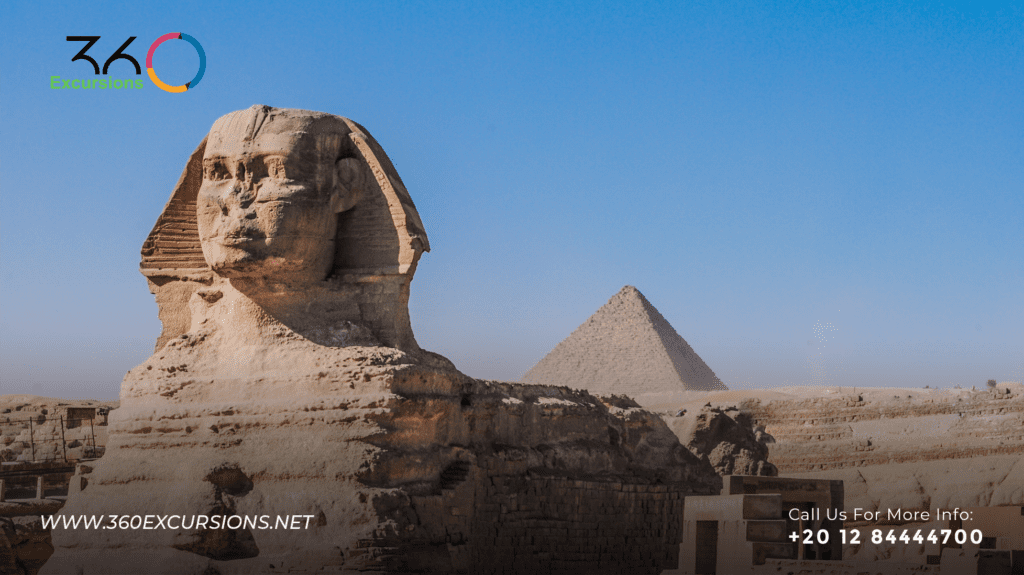
- Include Pyramids In The Background For Context
- Avoid Midday Harsh Shadows
Photography Is Allowed In The Outdoor Area Without Restrictions.
How To Reach
The Sphinx Statue Is Easily Accessible From Cairo Tower And Central Cairo.
Transportation Options Include:
- Taxi Or Ride-Sharing Services
- Guided Tours From Cairo Or Giza
- Private Car With Parking Nearby
Travelers Based In Sharm El Sheikh Often Reach The Giza Plateau Through A Cairo Day Trip by Plane Or A Budget-Friendly Cairo Day Trip by Bus. For A Broader Experience Combining Northern Egypt Highlights, The Cairo and Alexandria Tour Provides A Multi-Day Cultural Journey.
Conclusion
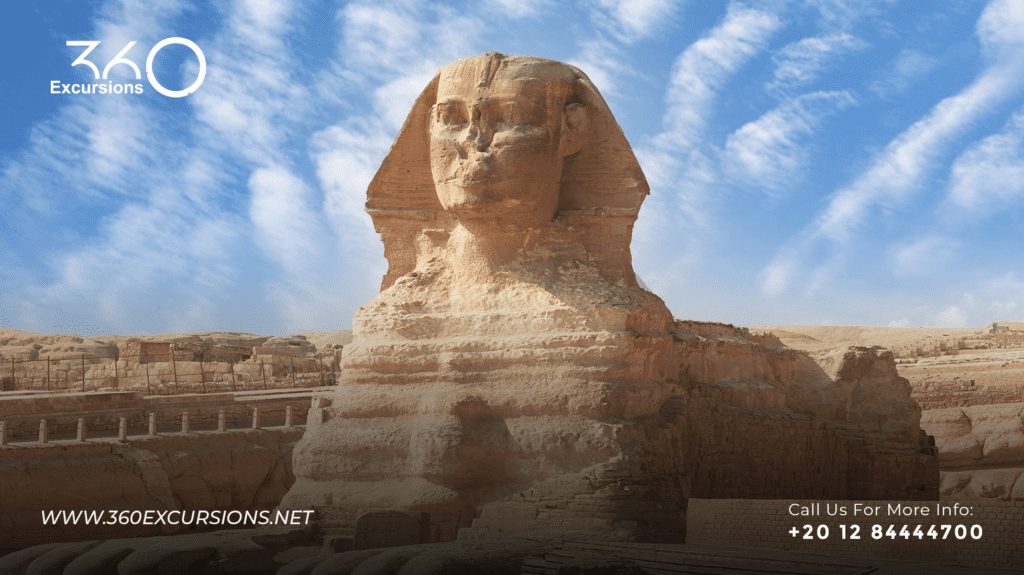
The Sphinx Statue Is One Of Humanity’s Greatest Symbols — A Monument That Combines Art, Power, Mystery, And Spiritual Belief Into A Single Eternal Form. Visitors Frequently Combine A Stop At The Sphinx With A Visit To the Grand Egyptian Museum Or The Historic Collections Of The National Museum Of Egyptian Civilization To Deepen Their Understanding Of Ancient Egypt. Standing Before It Is Not Simply A Visit To An Ancient Monument — It Is A Direct Encounter With The Soul Of Ancient Egypt And One Of The World’s Most Profound Legacies.
FAQs
Is The Sphinx Statue Older Than The Pyramids?
It Dates To The Same Period As Khafre’s Pyramid.
Can I Enter The Sphinx Statue?
Interior Access Is Closed To The Public.
How Long Does A Visit Take?
Approximately 30–45 Minutes.
Is The Sphinx Statue Included In The Giza Ticket?
It Is Part Of The Giza Plateau Visit.
Is A Guide Recommended?
A Guide Enhances Historical Understanding.


Comments are closed