
 Travel Guide
Complete Guide to the Unfinished Obelisk in Aswan
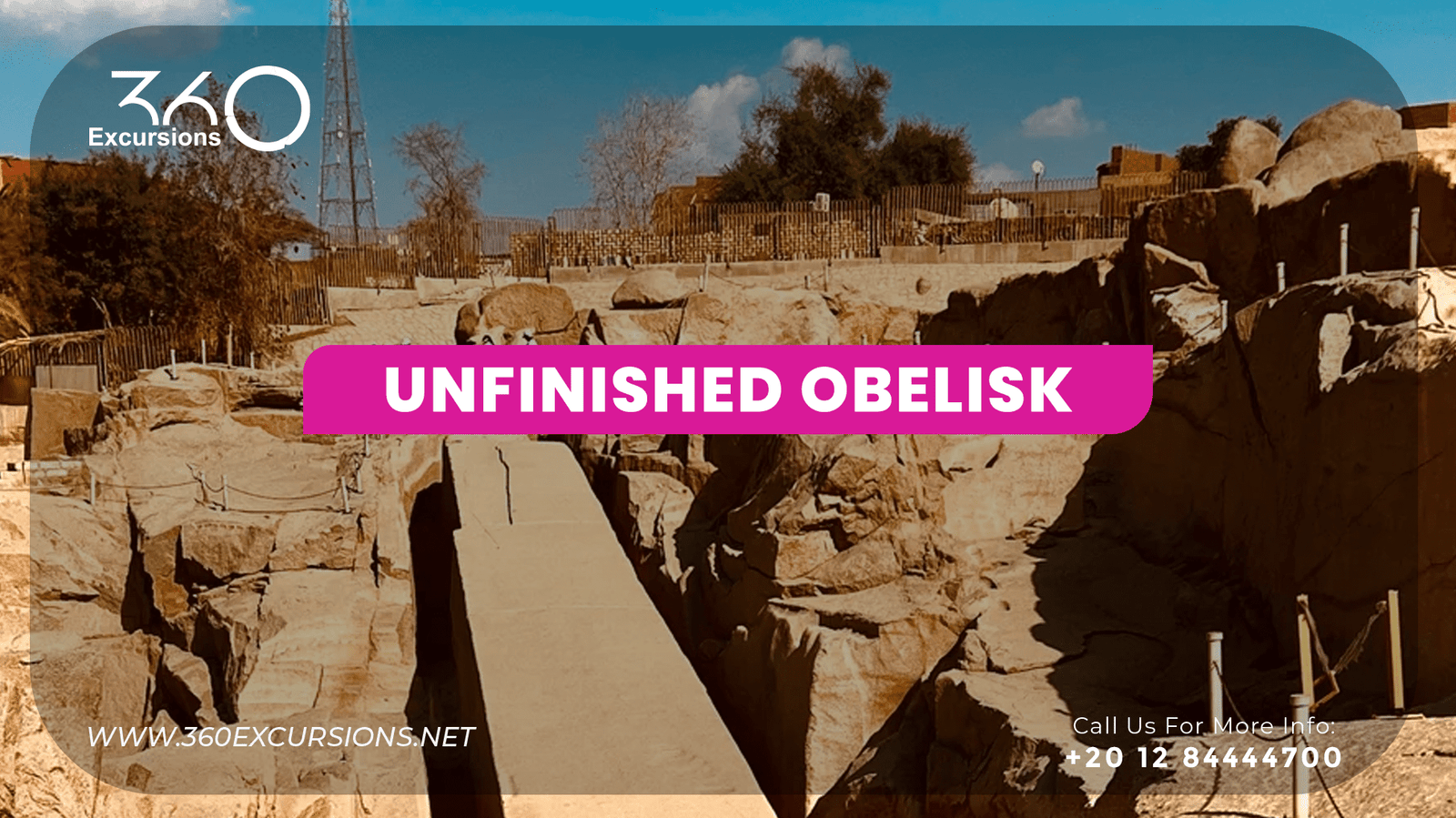
The Unfinished Obelisk Is One Of The Most Fascinating And Educational Archaeological Sites In Aswan Egypt — A Monument That Was Never Completed Yet Reveals More About Ancient Egyptian Engineering Than Many Finished Structures. Located In The Northern Quarries Of Aswan, The Monument Offers Visitors A Rare Opportunity To See How Ancient Egyptians Carved Obelisks Directly From Solid Granite Bedrock. Had It Been Completed, It Would Have Been The Largest Obelisk Ever Erected In Ancient Egypt, Weighing More Than Any Known Obelisk Standing Today.
This Complete Guide Explores Its Overview, History, Quarrying Techniques, Visible Features, Best Visiting Times, Transportation Options, And FAQs — Helping You Understand Why This Incomplete Monument Is One Of Upper Egypt’s Most Important Historical Sites.
Overview Of The Monument
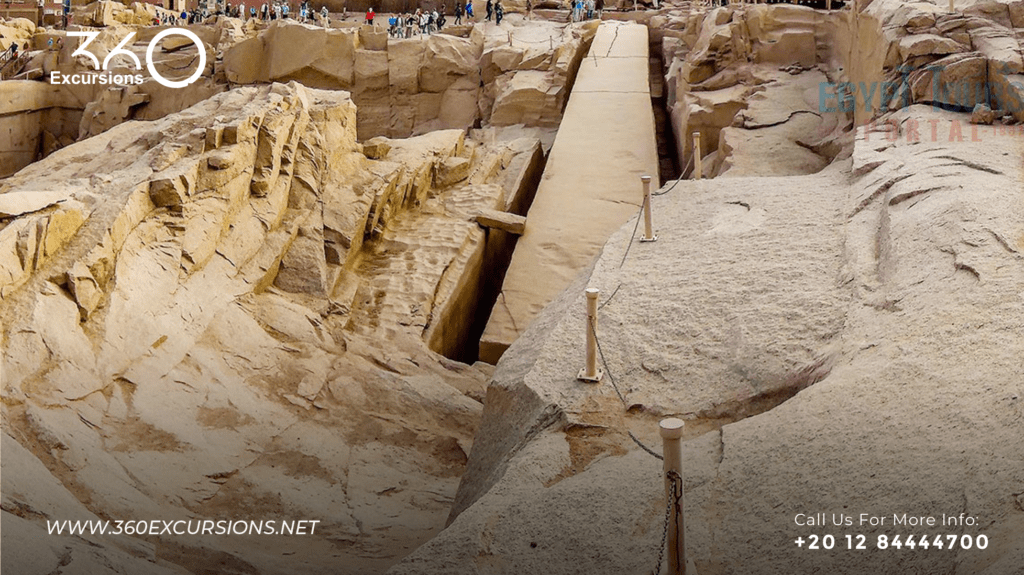
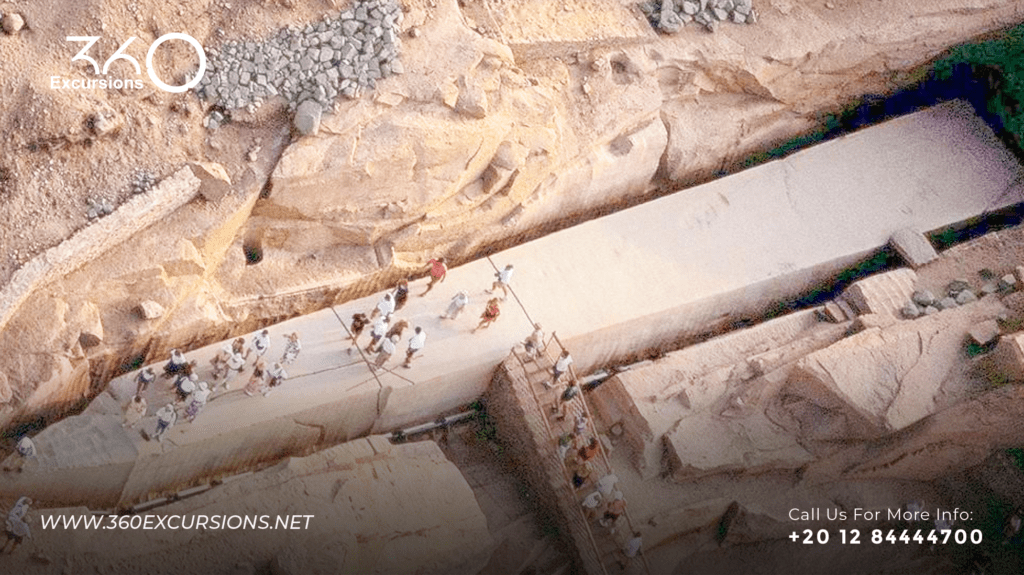
The Monument Lies Horizontally In A Massive Granite Quarry, Still Attached To The Bedrock From Which It Was Being Carved. Measuring Approximately 42 Meters In Length And Estimated To Weigh Over 1,000 Tons, It Represents The Ambition And Technical Mastery Of Ancient Egyptian Builders During The New Kingdom.
Unlike Standing Obelisks That Were Transported And Erected In Temples Across Egypt And Beyond, This Monument Was Abandoned During Construction — Allowing Modern Visitors To Study Every Stage Of The Obelisk-Making Process. Many Travelers Combine The Site With Visits To Temple of Philae And The High Dam Of Egypt For A Complete Aswan Itinerary.
Why It’s The Largest Ancient Obelisk Ever Attempted
It Is Considered The Largest Ancient Obelisk Ever Attempted Because:
- Its Length Would Have Exceeded All Known Obelisks
- Its Weight Would Have Been Unprecedented In Ancient Engineering
- It Was Carved From A Single Piece Of Granite
- No Larger Obelisk Was Ever Successfully Completed
- Its Scale Demonstrates The Bold Vision Of New Kingdom Pharaohs
History
The History Of This Monument Is Closely Linked To The New Kingdom — A Period Known For Grand Temples And Monumental Architecture Such As Karnak Temple Luxor And Luxor Temple Egypt.
New Kingdom Quarrying Techniques
The Monument Was Likely Commissioned During The Reign Of Queen Hatshepsut Of The 18th Dynasty — The Same Era That Produced Architectural Masterpieces Like The Temple of Hatshepsut. During This Period, Aswan Was Egypt’s Primary Source Of Red Granite — A Stone Valued For Its Strength, Durability, And Royal Symbolism.
Ancient Quarrying Techniques Included:
- Cutting Channels Around The Obelisk Using Dolerite Pounders
- Gradually Separating The Stone From The Bedrock
- Smoothing Surfaces With Stone Tools
- Carving Precise Edges And Proportions By Hand
Why It Cracked
The Monument Was Abandoned After A Crack Appeared In The Granite During The Final Stages Of Quarrying.
Possible Reasons Include:
- Natural Weaknesses In The Granite
- Stress From The Enormous Size Of The Stone
- Micro-Fractures Within The Bedrock
- Limitations Of Ancient Tools At Such A Scale
What To See
Visiting The Quarry Allows You To Observe Unique Features That Cannot Be Seen At Any Other Obelisk Site.
Granite Quarry
The Surrounding Quarry Is As Important As The Monument Itself. Aswan’s Granite Was Used In Major Projects Along the Nile River in Egypt And In Temples Across Upper Egypt, Including Kom Ombo Temple. Visitors Can Walk Along The Quarry Floor And See:
- Natural Granite Veins
- Tool Marks Left By Ancient Workers
- Channels Carved To Free The Stone
- Smaller Partially Carved Blocks
Obelisk Carving Marks
One Of The Most Fascinating Aspects Of The Site Is The Visible Carving Marks Left By Ancient Craftsmen:
- Dolerite Hammer Impressions
- Shallow Trenches Cut Around The Obelisk
- Smooth Polished Surfaces In Progress
- Rough Sections Where Work Was Stopped
Best Time To Visit
The Best Time To Visit Is During The Cooler Months Between October And April. Travelers Often Extend Their Journey To Abu Simbel Egypt Or Explore Cultural Sites Like The Nubian Museum in Aswan To Deepen Their Understanding Of Nubian And Ancient Egyptian Heritage.
How To Reach
The Site Is Easy To Reach From Aswan City Center. Transportation Options Include:
- Taxi Or Ride Services: Quick And Affordable
- Private Tours: Frequently Combined With Elephantine Island Aswan
- Nile Cruise Routes: Often Included In Itineraries Connecting To Qasr Ibrim
Conclusion
This Monument Is A Powerful Reminder That Even Ancient Egypt’s Greatest Builders Faced Challenges And Unexpected Outcomes. Yet It Has Become One Of Egypt’s Most Valuable Archaeological Sites — Offering Unmatched Insight Into Quarrying, Engineering, And Monument Construction. It Is An Essential Stop For Anyone Exploring Aswan And Seeking To Understand How Egypt’s Greatest Monuments Were Truly Made.
FAQs
Is The Site Worth Visiting?
It Is One Of The Best Places In Egypt To Understand Ancient Engineering Techniques.
How Long Does A Visit Take?
Usually 30–60 Minutes.
Is The Site Suitable For Children?
Yes, With Supervision Due To Uneven Surfaces.
Is Photography Allowed?
Photography Is Allowed Throughout The Site.
Is The Area Accessible?
The Ground Is Mostly Flat But Uneven In Places; Comfortable Shoes Are Recommended.


Comments are closed