
 Travel Guide
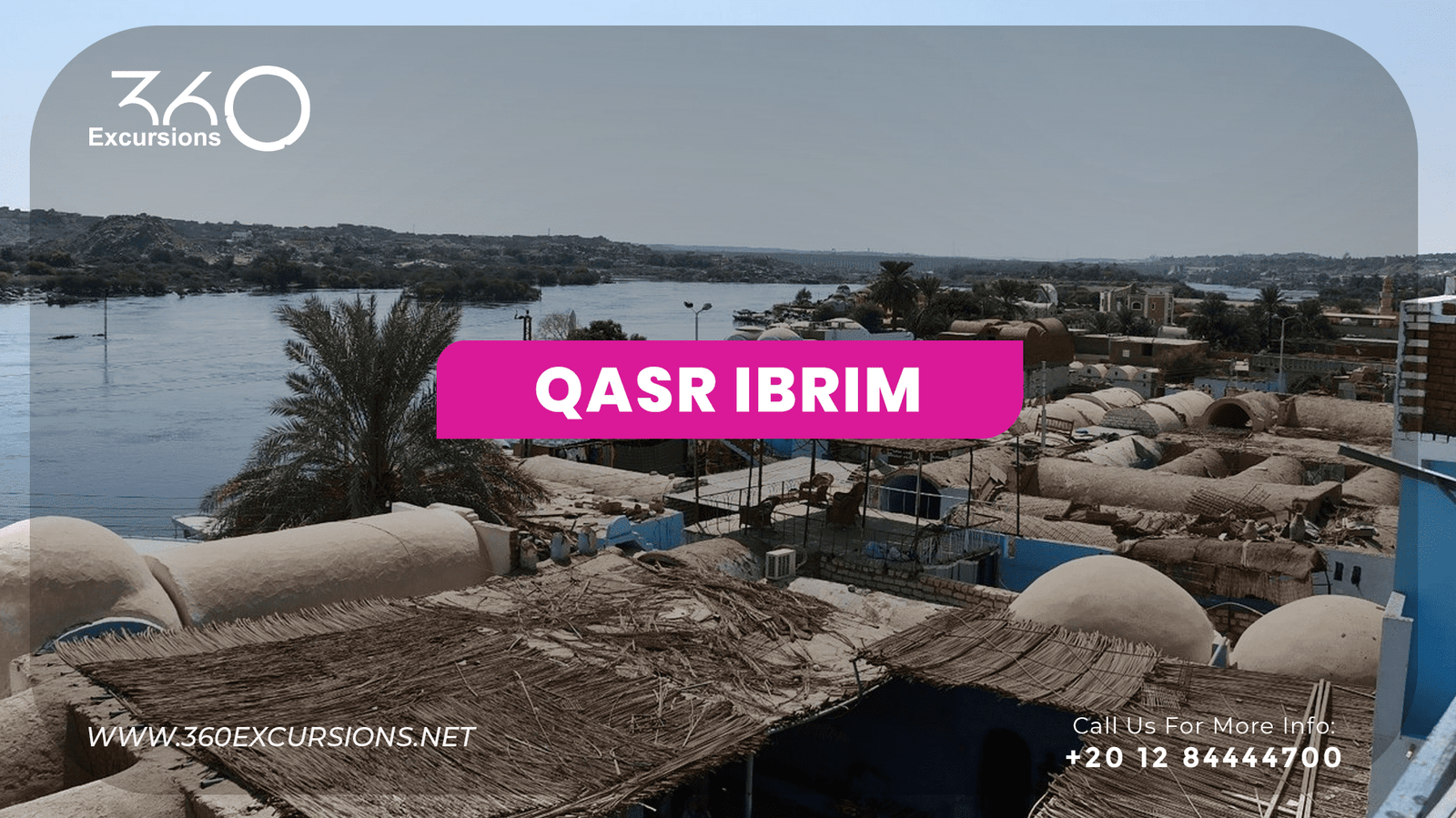
Complete Guide to Qasr Ibrim
Qasr Ibrim Is One Of The Most Remarkable And Historically Significant Archaeological Sites In Southern Egypt — A Rare Fortress Settlement That Has Survived In Its Original Location While Much Of Ancient Nubia Was Submerged By Lake Nasser. Rising Dramatically Above The Waters Of The Lake, Qasr Ibrim Stands As A Silent Chronicle Of Thousands Of Years Of Human Civilization, Cultural Exchange, And Religious Transformation. For History Enthusiasts And Cultural Travelers Exploring Aswan Egypt, Qasr Ibrim Represents A Living Timeline Where Pharaonic, Roman, Christian, And Islamic Eras Overlap In A Single, Powerful Landscape.
This Complete Guide To Qasr Ibrim Explores Its Overview, History, Architectural Features, How To Visit Via Lake Nasser Cruises, And Frequently Asked Questions — Offering A Comprehensive Understanding Of One Of Egypt’s Most Unique Nubian Heritage Sites.
Overview
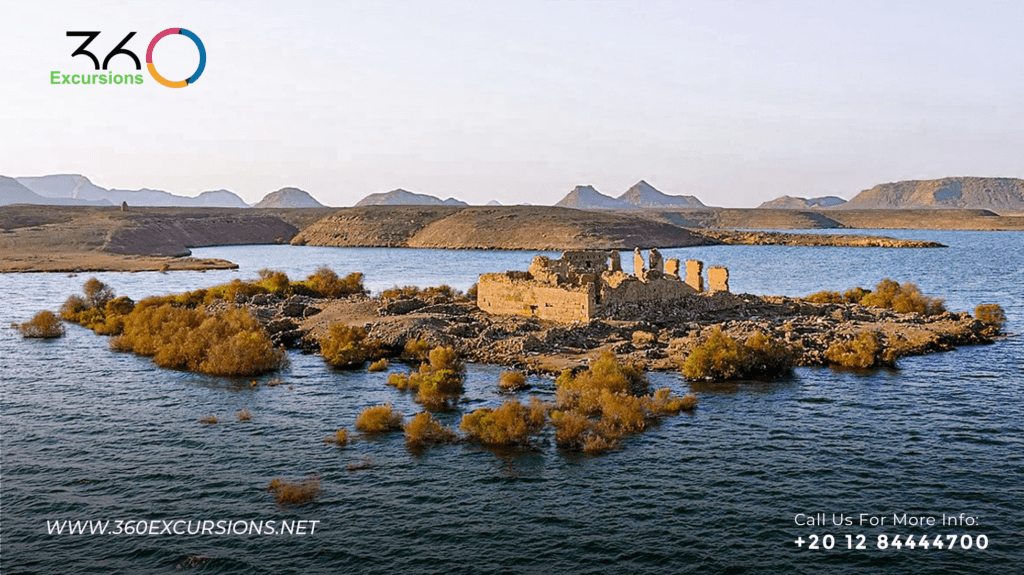
Qasr Ibrim Is Located On A Rocky Promontory Overlooking Lake Nasser In Africa Near The Egyptian–Sudanese Border. Unlike Many Nubian Monuments That Were Relocated During The Construction Of The High Dam Of Egypt, Qasr Ibrim Remains In Its Original Position, Making It An Exceptional Archaeological Survivor.
Last Nubian Archaeological Site Still In Original Location
Qasr Ibrim Holds A Unique Distinction As The Only Major Nubian Archaeological Site That Was Not Relocated When Lake Nasser Was Created In The 1960s. Its Elevated Position Saved It From Submersion, Allowing It To Remain Anchored In Its Historical Landscape. This Unique Status Means That Qasr Ibrim:
- Preserves Authentic Spatial Context
- Retains Original Geological And Environmental Setting
- Offers Uninterrupted Archaeological Stratigraphy
- Provides Rare Insights Into Nubian Settlement Patterns
Because Of This, Qasr Ibrim Is Considered One Of The Most Important Nubian Sites In Egypt, Especially When Compared With Other Relocated Monuments Around Abu Simbel Egypt.
Located Near Lake Nasser
Qasr Ibrim’s Dramatic Location Above Lake Nasser Adds To Its Visual And Historical Impact. The Calm Waters Of The Lake Surround The Site, Creating A Natural Barrier That Protects It From Modern Development. Its Location Near Lake Nasser Means:
- Access Is Limited And Controlled
- Preservation Conditions Are Enhanced
- Views Are Spectacular From Cruise Boats
- The Site Feels Remote And Timeless
This Isolation Contributes To Qasr Ibrim’s Powerful Atmosphere And Archaeological Integrity.
History
The History Of Qasr Ibrim Spans Over Three Thousand Years, Making It One Of The Longest Continuously Occupied Sites In Nubia.
Pharaonic Origins
Qasr Ibrim’s Earliest Occupation Dates Back To The Pharaonic Period, When The Site Served As A Strategic Outpost Controlling Trade Routes Between Egypt And Nubia. It Played A Key Role In Monitoring Movement Along the Nile River in Egypt And Protecting Egypt’s Southern Frontier.
Pharaonic Contributions To Qasr Ibrim Include:
- Fortified Defensive Structures
- Administrative Buildings
- Religious Installations
- Evidence Of Egyptian–Nubian Interaction
These Early Layers Reveal The Importance Of Qasr Ibrim In Ancient Egyptian Expansion And Control.
Roman & Christian Eras
During The Roman Period, Qasr Ibrim Continued To Function As A Military Stronghold. Later, It Became A Major Center Of Christianity In Nubia, Reflecting The Region’s Religious Transformation Similar To Other Nubian Sacred Landscapes Near Temple of Philae. Key Developments During These Eras Include:
- Construction Of Roman Defensive Walls
- Establishment Of Christian Churches
- Conversion Of Temples Into Churches
- Use Of Greek, Coptic, And Old Nubian Texts
Qasr Ibrim Was One Of The Last Strongholds Of Christianity In Nubia Before The Region Gradually Transitioned To Islam.
Architectural Features
The Architectural Remains Of Qasr Ibrim Reflect Its Long And Complex History, With Structures From Multiple Periods Built Layer Upon Layer.
Fortress Remains
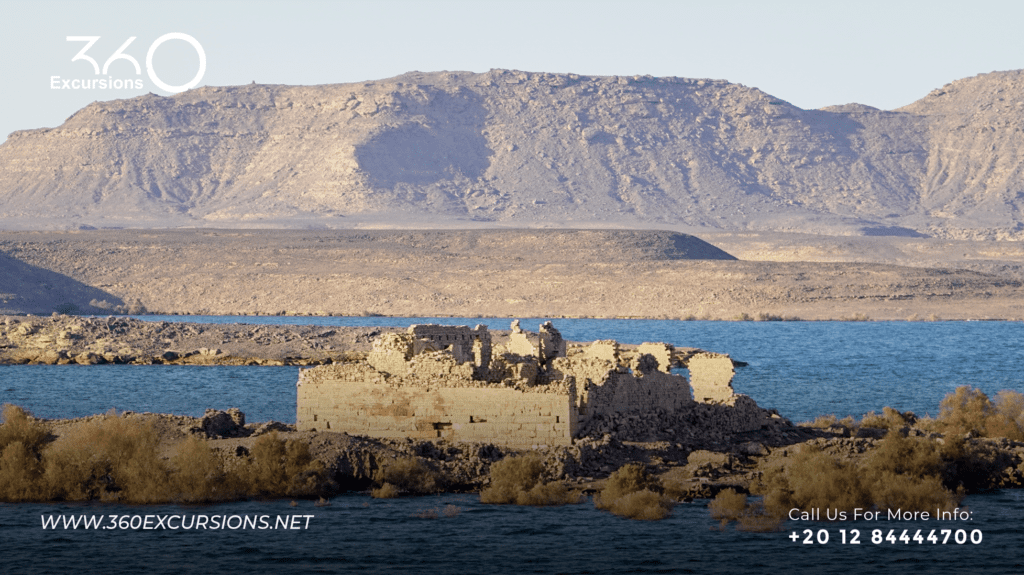
The Most Striking Feature Of Qasr Ibrim Is Its Fortress Architecture. Massive Stone Walls And Elevated Defensive Positions Demonstrate The Site’s Military Importance Over Centuries.
Fortress Highlights Include:
- Thick Defensive Walls
- Elevated Watchpoints
- Strategic Use Of Natural Cliffs
- Controlled Access Points
These Features Made Qasr Ibrim Nearly Impenetrable And Allowed It To Resist Invasions For Generations.
Inscriptions
Qasr Ibrim Is Renowned For Its Exceptional Collection Of Inscriptions And Written Records. The Dry Climate And Isolation Preserved Organic Materials That Rarely Survive Elsewhere. Inscriptions Found At Qasr Ibrim Include:
- Hieroglyphic Texts
- Greek And Latin Inscriptions
- Coptic And Old Nubian Manuscripts
- Early Arabic Writings
These Texts Provide Unmatched Insight Into Daily Life, Religion, Governance, And Language In Ancient Nubia.
How To Visit (Lake Nasser Cruises)
Qasr Ibrim Is Not Open For Independent On-Site Visits. Instead, It Is Viewed Exclusively As Part Of Lake Nasser Cruise Itineraries, Often Combined With Major Southern Highlights Such As Temple of Philae And Abu Simbel Egypt. Visiting Qasr Ibrim Typically Involves:
- Viewing The Site From The Cruise Deck
- Guided Historical Explanation By Egyptologists
- Photography From Designated Distances
- No Physical Entry To Protect The Site
This Controlled Access Ensures Long-Term Preservation While Still Allowing Visitors To Experience Qasr Ibrim’s Magnificence.
Conclusion
Qasr Ibrim Is A Rare Survivor Of Nubia’s Lost Landscape — A Fortress Of Memory Rising Above The Waters Of Lake Nasser. As The Last Nubian Archaeological Site Still In Its Original Location, Qasr Ibrim Preserves Thousands Of Years Of History, Language, Religion, And Human Adaptation. From Its Pharaonic Foundations And Roman Fortifications To Its Christian Churches And Precious Inscriptions, Qasr Ibrim Tells A Story That Cannot Be Recreated Elsewhere. For Travelers Exploring Southern Egypt And Lake Nasser, Qasr Ibrim Is Not Just A Stop On A Cruise — It Is A Powerful Reminder Of What Was Saved, What Was Lost, And What Endures Through Time, Especially When Combined With A Broader Journey Through Aswan Egypt And Its Surrounding Nubian Heritage.
FAQs
Is Qasr Ibrim Open To The Public?
It Is Viewed Only From Lake Nasser Cruises.
Why Is Qasr Ibrim So Important?
It Is The Only Nubian Site Still In Its Original Location.
How Long Is The Visit?
Approximately 30–45 Minutes Of Viewing And Explanation.
Can I Walk Inside Qasr Ibrim?
Physical Access Is Restricted For Conservation.
Is Qasr Ibrim Worth Seeing From A Distance?
Its Historical Significance And Setting Make It Exceptional.


Comments are closed